Home / Automatic Doors / Omlet vs RUN-CHICKEN vs ChickenGuard: Which Automatic Door Is Best?
Omlet vs RUN-CHICKEN vs ChickenGuard: Which Automatic Door Is Best?
Omlet vs RUN-CHICKEN vs ChickenGuard is less about finding one universal winner and more about choosing three different product philosophies: an integrated side-opening smart door, an integrated vertical door, or a powerful opener that can work with an existing pop-hole door.
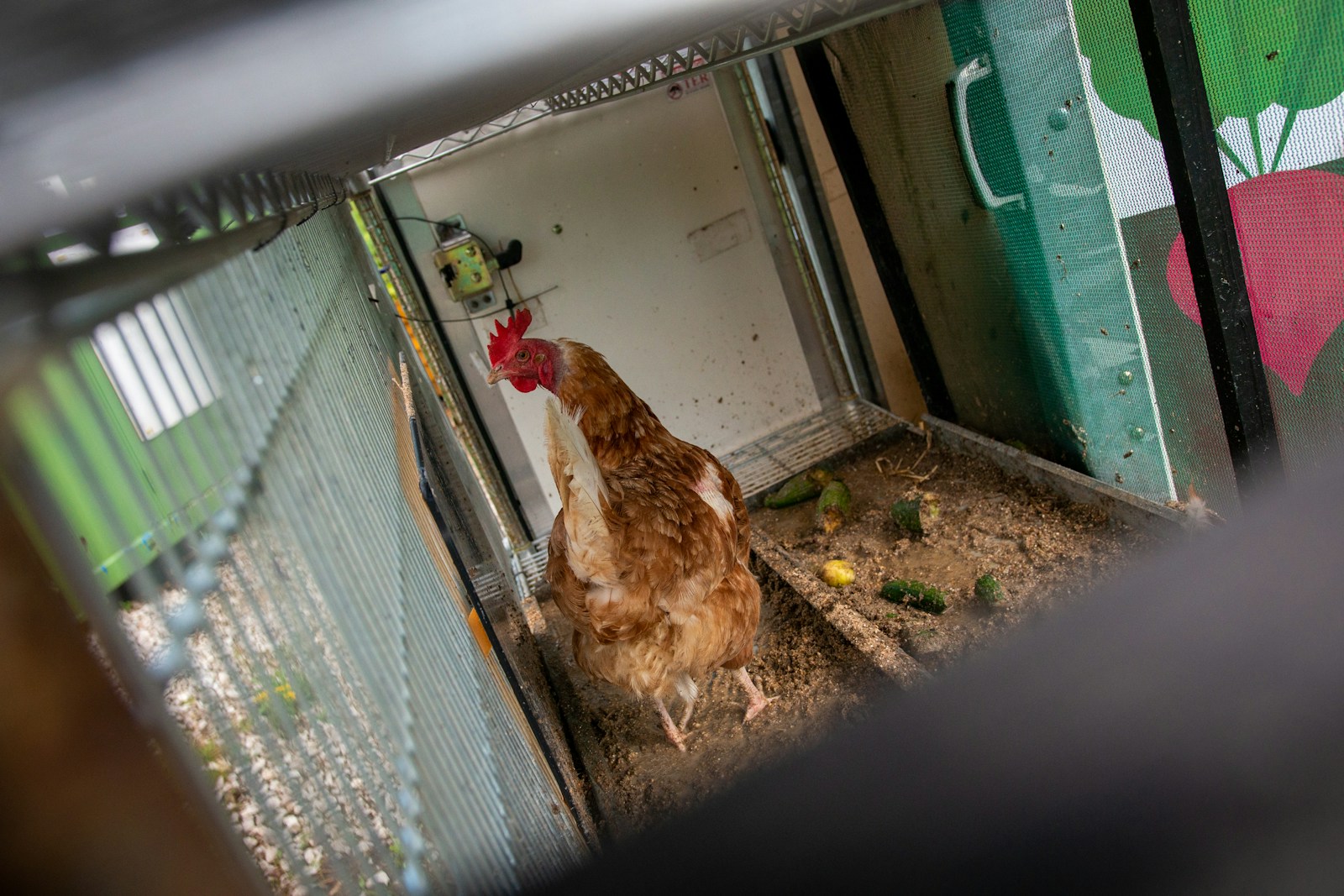
Omlet vs RUN-CHICKEN vs ChickenGuard comes down to how much of the door system you want to replace and which controls matter most. RUN-CHICKEN is our simplest integrated choice for many standard coops, Omlet is the strongest fit when app visibility and a side-opening design matter, and ChickenGuard Pro is especially flexible when you already have a suitable pop-hole door.
Quick comparison
| Brand | Current model used here | Standout strength |
|---|---|---|
| RUN-CHICKEN | T50 | Integrated aluminum door, 2 AA batteries, sunrise/sunset automation |
| Omlet | Smart Autodoor | App status and alerts, side-opening design, light sensor or timer |
| ChickenGuard | Pro | Works with many existing doors, 4 control options, battery or DC power |
RUN-CHICKEN T50: best for simple integrated automation
The current T50 combines the motor, controller and vertical sliding aluminum door into one unit. RUN-CHICKEN publishes an 8 × 10 inch opening, two-AA power and approximately one year of typical battery life. Scheduling options include sunrise/sunset automation, timer and manual app control.
Its biggest advantage is integration. You are not choosing a separate door panel, lift weight and controller. Measure the opening and mounting clearance, then install the whole assembly.
Omlet Smart Autodoor: best for connected visibility
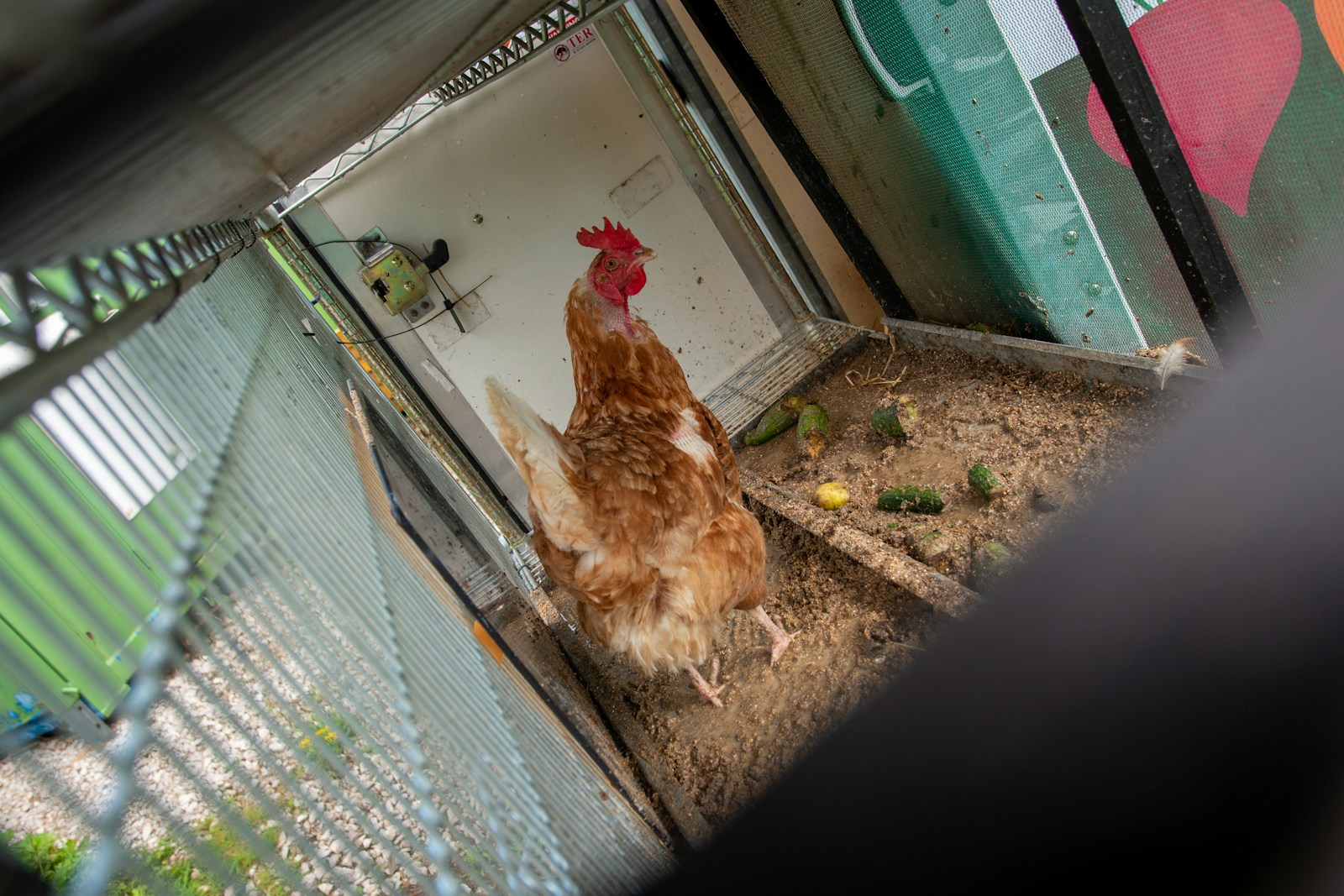
Omlet’s Smart Autodoor uses a side-opening panel and can operate by light sensor or timer. Smart features include remote control, door status, battery level and safety-sensor alerts. Omlet publishes four-AA battery power with an estimated six-month battery life, or mains power as an alternative.
The side-opening movement is also useful when there is not enough vertical space above your pop hole for a guillotine-style panel.
ChickenGuard Pro: best when you already have a door
ChickenGuard Pro is an opener rather than the same kind of all-in-one door body. It can work with many existing coop doors and is rated to lift up to 2 kg. It offers light sensor, timer, manual and DualSafe control, and can use four AA batteries or DC power.
This makes ChickenGuard especially attractive for custom coops where the existing pop-hole door already fits well and you simply want to automate it.
Controls: which approach is easiest?
RUN-CHICKEN’s current app-managed sunrise/sunset logic is good for owners who want the schedule to follow the seasons without depending on the precise brightness under the coop eave. Omlet gives you classic light-sensor or timer control plus connected status. ChickenGuard gives the most traditional controller flexibility with several trigger modes.
If this is your main deciding factor, read our light-sensor automatic door guide.
Power: fewer batteries versus more options
T50 uses two AA batteries. Omlet uses four AA batteries or mains power. ChickenGuard Pro uses four AA alkaline batteries or DC power. The best setup depends on whether the coop has electricity and how often you are willing to check batteries.
Our battery-powered automatic door guide compares those tradeoffs directly.
Opening size and coop fit
T50’s published opening is 8 × 10 inches. Omlet’s is 30 cm high by 19.5 cm wide. ChickenGuard depends on the physical door you pair with the opener. Owners of truly large breeds should measure carefully and may prefer an oversized integrated option such as RUN-CHICKEN Giant.
Safety behavior
RUN-CHICKEN says the current T50 includes anti-pinch behavior that stops and reverses when resistance is detected. Omlet advertises a safety sensor and can send alerts through the smart system. ChickenGuard’s door-kit materials describe auto-stop behavior. These features reduce risk, but none should replace watching the first several closing cycles with your actual flock.
For the broader safety issue, see can an automatic coop door crush a chicken?
Cold weather
All three brands market outdoor weather capability, but mechanisms and installation differ. ChickenGuard publishes operation down to -20°C/-4°F for the current Pro. RUN-CHICKEN describes the T50 as designed for heat, cold, snow and icing and includes a Power Mode intended to help with winter resistance. Omlet advertises all-weather operation and an IPX6-rated casing.
Cold-climate owners should still prioritize clean tracks, fresh batteries and proper mounting. Read our winter buying guide.
Which should you choose?
Choose RUN-CHICKEN T50 if you want a compact integrated vertical door and simple battery setup. Choose Omlet Smart Autodoor if app status, notifications and a side-opening mechanism are worth more to you. Choose ChickenGuard Pro if you want to automate an existing door or prefer a controller with several traditional operating modes.
Frequently asked questions
Which is easiest to install?
An integrated door can be simpler when your opening fits the published dimensions. ChickenGuard can be easier when you already have a compatible sliding door and only need to add an opener.
Which is best without Wi-Fi?
All three can automate without relying on continuous Wi-Fi, but exact app features differ. Read our non-Wi-Fi automatic door guide.
Which is best for large chickens?
Measure first. For oversized needs, the standard models may not be the right comparison; start with our large-chicken guide.
How CoopGear Lab approaches this guide
We compare published specifications, manufacturer documentation, fit, climate, controls, safety features and practical ownership tradeoffs. We do not claim hands-on testing unless an article explicitly says we performed it.
Continue with these guides
Affiliate disclosure: CoopGear Lab may earn a commission from qualifying purchases made through links on this site, at no additional cost to you. Affiliate relationships do not change our comparison criteria. Read the full disclosure.