Home / Automatic Doors / Best Light-Sensor Automatic Chicken Coop Doors
Best Light-Sensor Automatic Chicken Coop Doors
The best light-sensor automatic chicken coop doors follow changing daylight without forcing you to edit a timer every few weeks. The important difference is not simply whether a door has a light sensor, but how adjustable and dependable that sensor behavior is.
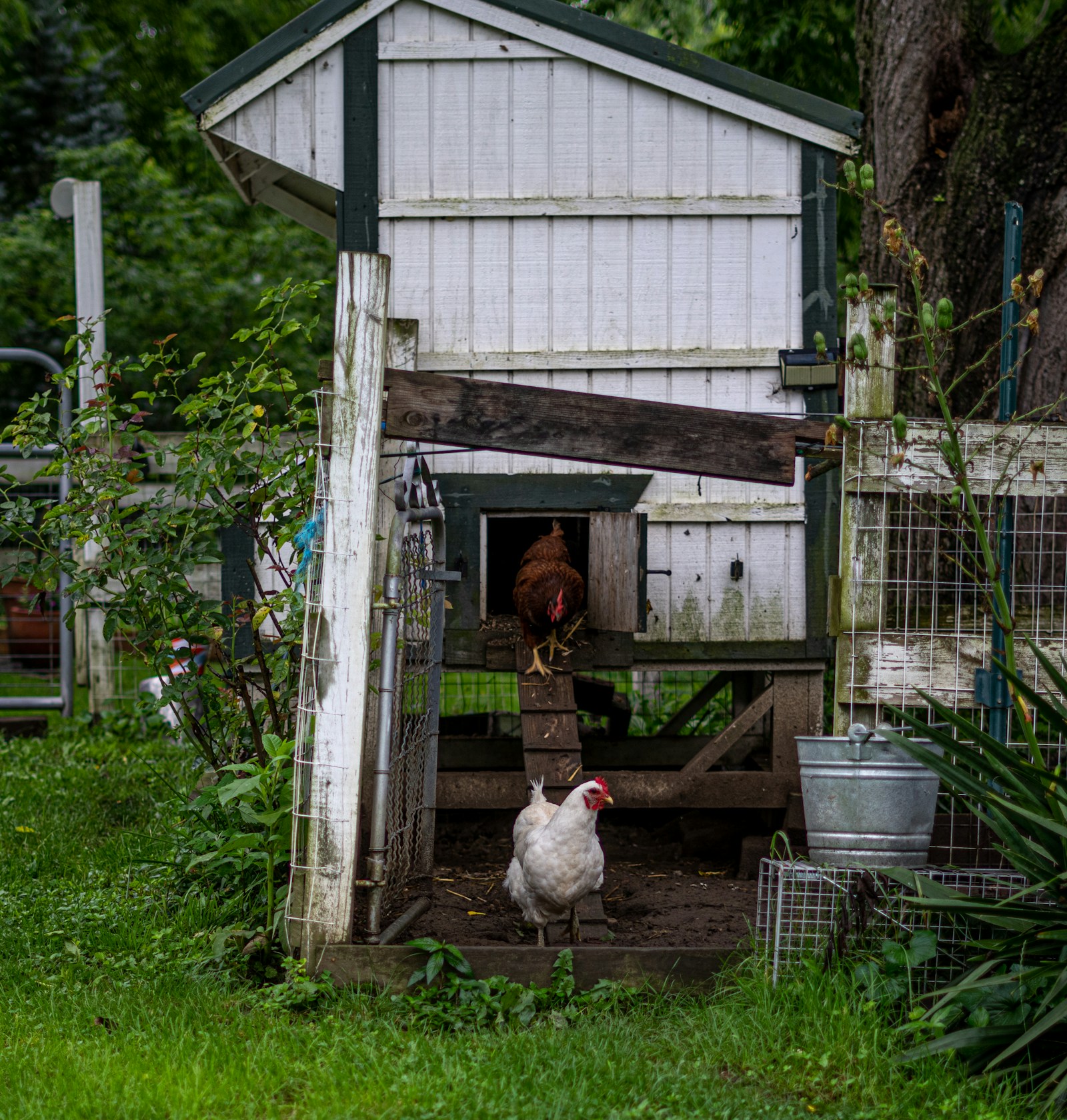
The best light-sensor automatic chicken coop doors combine dusk/dawn sensing with an adjustable delay or timer backup. Our current shortlist includes the Omlet Smart Autodoor, ChickenGuard Pro and RUN-CHICKEN T50, although the current T50 approaches daylight automation through sunrise/sunset scheduling rather than a simple exposed photocell.
Quick answer
Choose Omlet if you want a dedicated light-sensor control panel plus optional smart features. Choose ChickenGuard Pro if you want light-sensor, timer and combined control on an opener that can work with an existing door. Choose RUN-CHICKEN if you prefer app-managed sunrise/sunset automation with adjustable offsets.
Best dedicated light-sensor setup: Omlet Smart Autodoor
Omlet’s current Smart Autodoor can open and close by light sensor or timer. The control panel includes the sensor and can be positioned away from the door, which matters because deep shade under an eave can make local light readings unrepresentative of the yard.
For owners who want the door to follow the seasons without manually moving clock times, that external sensor placement is useful.
Best flexible opener: ChickenGuard Pro
ChickenGuard Pro offers light-sensor, timer, manual and DualSafe options. That makes it useful when you want to mix light-based behavior with a time rule instead of trusting one trigger in every situation.
Because ChickenGuard is an opener, check your existing door weight and movement before assuming compatibility. The current Pro is rated by ChickenGuard to lift doors up to 2 kg.
Best sunrise/sunset alternative: RUN-CHICKEN T50
The current RUN-CHICKEN T50 uses intelligent sunrise and sunset scheduling and allows timing offsets through the app. RUN-CHICKEN says the current mode replaced separate GPS and light-sensor modes. Functionally, it solves a similar problem: changing dawn and dusk times without manually editing a fixed clock schedule.
This is worth understanding before buying because “light sensor” and “sunrise/sunset automation” are not always the same implementation.
How a light-sensor coop door works
A true light-sensor system reads ambient brightness and triggers opening or closing after a threshold is reached. A good system adds a delay or logic that prevents a brief shadow, cloud or artificial light from immediately changing the door state.
Some newer systems instead calculate sunrise and sunset from location or app data. These can avoid problems caused by sensor placement, but they depend on correct setup information.
Timer vs light sensor
A timer is predictable. A light sensor adapts automatically as the seasons change. If your birds consistently enter the coop at a similar relationship to sunset, light-based control can reduce seasonal adjustments. If neighborhood lighting, deep shade or unusual coop placement confuses the sensor, timer control may be easier.
Our timer vs light sensor guide goes deeper on this choice.
Sensor placement can make or break reliability
A sensor under a dark roof overhang may decide dusk arrived before the yard is actually dark. A sensor facing a security light can experience the opposite problem. Follow the manufacturer’s placement instructions and test closing behavior for several evenings before trusting the schedule unattended.
How late should a light-sensor door close?
Do not chase the earliest possible closing time. The purpose is to close after your birds have gone in, not to beat sunset by a few minutes. A short delay after dusk is often safer for stragglers. Read our guide to what time an automatic chicken coop door should close.
Safety features to prioritize
Light sensing controls when the motor starts; it does not by itself make the closing motion safe. Look separately at obstruction detection, auto-stop or reverse behavior, then verify it on the exact model and revision you are buying.
What about cloudy days?
Well-designed sensor logic should not react to every passing cloud, but very dark storms can create unusual readings. That is another reason adjustable delays and timer fallback are valuable. Observe the unit in your exact location during the first week rather than assuming default settings are ideal.
Final verdict
For a true adjustable light-sensor setup, Omlet and ChickenGuard are the clearest current options in this comparison. If you want seasonal automation without relying on a local photocell, RUN-CHICKEN’s sunrise/sunset approach is worth considering. In all cases, test the closing behavior with your flock before leaving it unattended.
Frequently asked questions
Can a porch light confuse a chicken door sensor?
It can, depending on sensor position and threshold. Keep artificial light away from the sensor where possible and follow the manufacturer’s placement guidance.
Do light sensors need seasonal adjustment?
Usually less than fixed timers, but you may still want to adjust a delay or threshold as flock behavior changes.
Is light sensor better than a timer?
Neither is universally better. Light sensing adapts to daylight; timers give exact clock control. Hybrid systems can provide the best of both.
How CoopGear Lab approaches this guide
We compare published specifications, manufacturer documentation, fit, climate, controls, safety features and practical ownership tradeoffs. We do not claim hands-on testing unless an article explicitly says we performed it.
Affiliate disclosure: CoopGear Lab may earn a commission from qualifying purchases made through links on this site, at no additional cost to you. Affiliate relationships do not change our comparison criteria. Read the full disclosure.