Home / Automatic Doors / Best Automatic Chicken Coop Doors: What to Look For in 2026
Best Automatic Chicken Coop Doors: What to Look For in 2026
If you want one upgrade that removes a twice-daily chore, an automatic coop door is a strong place to start.
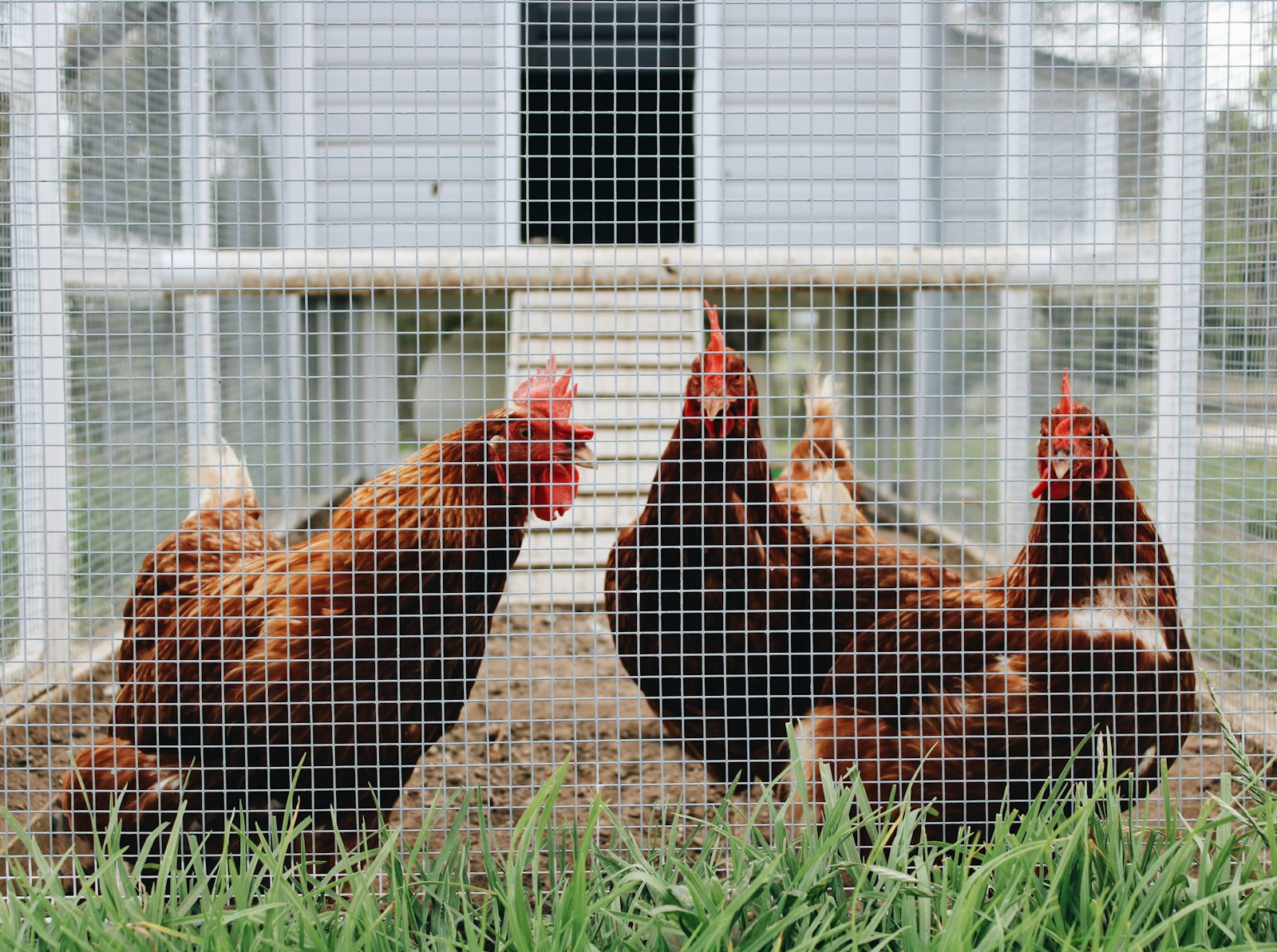
If you want one upgrade that removes a twice-daily chore, an automatic coop door is a strong place to start.
Quick answer
The best automatic chicken coop door for most owners is not necessarily the model with the longest feature list. Prioritize reliable opening and closing, a power source that suits the coop location, weather tolerance, manual override and controls you will actually use. App features are useful when you need remote status, while a simple timer or light sensor can be more dependable in a weak-Wi-Fi location.
How to compare automatic coop doors
Compare products around the jobs they need to perform rather than scoring every feature equally. A door that looks impressive on paper is a poor choice if the battery setup is inconvenient, the opening does not fit your coop, or the controls are unnecessarily complicated.
Start with four questions: What is your climate? Is power available at the coop? Do you need remote monitoring? What opening size and mounting surface do you have?
The features worth paying for
Obstruction detection: A sensible safety routine matters because chickens do not always cooperate with schedules. Manual control: You need a fallback if automation fails. Multiple scheduling options: Timer plus light-based operation gives flexibility across seasons. Weather-resistant construction: Outdoor electronics and moving parts need protection from moisture and dust.
Battery, solar or mains power?
Battery power is often easiest because it does not require wiring. Solar can be attractive when the coop receives dependable sun, but panel location matters. Mains power removes battery changes but requires a safe electrical setup. Read our solar vs battery guide before deciding.
Best choice for cold climates
Cold weather changes the buying criteria. Battery performance can drop, ice can interfere with moving parts and wooden coops can shift with moisture. If winter reliability is your biggest concern, start with our cold-weather automatic door guide.
When app control is worth it
Remote status can be valuable if you travel, work late or simply want confirmation that the coop closed. The tradeoff is extra complexity and dependence on connectivity. Our Wi-Fi and app-controlled door guide explains when those features make sense.
Installation mistakes to avoid
Do not buy before measuring the opening and the required mounting clearance. Check whether the frame is square, whether bedding can pile against the threshold and whether the controller will be exposed to direct rain. Small installation problems cause more frustration than missing luxury features.
What reliability really means
A reliable door opens and closes when expected, gives you a practical fallback, and does not require constant attention. Reviews should be read with climate and installation differences in mind because a dry, mild-weather setup is not the same test as a windy winter coop.
Final verdict
For most backyard flocks, reliability beats novelty. Choose the simplest door that fits your opening, climate and preferred power source, then add remote features only if they solve a real problem.
Related guides
Disclosure: We may earn a commission from qualifying purchases made through links on this site. We do not claim hands-on testing unless an article explicitly says a product was tested.
More ways to narrow your choice
If you are still deciding what type of door fits your setup, compare timer vs light sensor control, see the best solar door considerations, or use our non-Wi-Fi guide. For harsh climates, move directly to the extreme-cold guide. Security-focused buyers should also read what automatic doors can and cannot do against predators.
How to narrow the shortlist
Once you have filtered out doors that do not fit the opening or climate, compare the remaining models by the amount of attention they require. Ask how you will know the door closed, how you will open it manually, how battery status is shown and whether schedules can be changed without standing at the coop. Those questions reveal more about daily ownership than a long specification table.
Also think about the coop itself. A lightweight door mounted to warped timber can behave differently from the same mechanism on a rigid frame. Make sure the opening is square, the path is clear and the door cannot catch on bedding, hardware cloth or trim.
Timer or light sensor?
A timer gives predictable operation. A light sensor follows changing daylight. Neither is universally better. Timers are useful when you want a fixed morning routine; light sensors are convenient through seasonal changes. A hybrid system with an adjustable delay can be especially useful because it lets you avoid closing at the first moment the yard gets dim.
Questions to ask before ordering
Does the door fit the opening without major carpentry? What happens if a chicken is in the doorway? Does the schedule remain stored when batteries are changed? Can the door be opened manually? What happens after a power interruption? Is the controller protected from direct rain? What operating-temperature range does the manufacturer publish? How is low battery indicated?
Frequently asked questions
Are automatic chicken doors safe?
They can be a useful part of a secure setup, but the door is only one layer. The coop, latches, fencing and openings still need to resist predators. Follow the manufacturer’s installation instructions and check the closing path regularly.
Will chickens learn to use one?
Most flocks adapt to a consistent opening after a short routine, but individual birds may linger outside at dusk. Observe the flock when first using an automatic schedule and adjust the closing time or delay if needed.
Is a more expensive door always better?
No. Price often reflects materials, connectivity or brand ecosystem. Those features can be worthwhile, but only when they solve a problem in your setup. Fit and reliable basic operation should come first.
How CoopGear Lab evaluates this topic
We focus on practical criteria such as reliability, fit, weather tolerance, power, controls and maintenance. We separate published specifications from hands-on experience and do not claim testing that did not occur.
Continue with these guides
Affiliate disclosure: CoopGear Lab may earn a commission from qualifying purchases made through links on this site, at no additional cost to you. Affiliate relationships do not change our comparison criteria. Read the full disclosure.