Home / Automatic Doors / Automatic Chicken Coop Doors in Cold Weather: Winter Buying Guide
Automatic Chicken Coop Doors in Cold Weather: Winter Buying Guide
Freezing weather turns a simple convenience purchase into a reliability decision. The goal is automation that still works on the worst morning of the season.
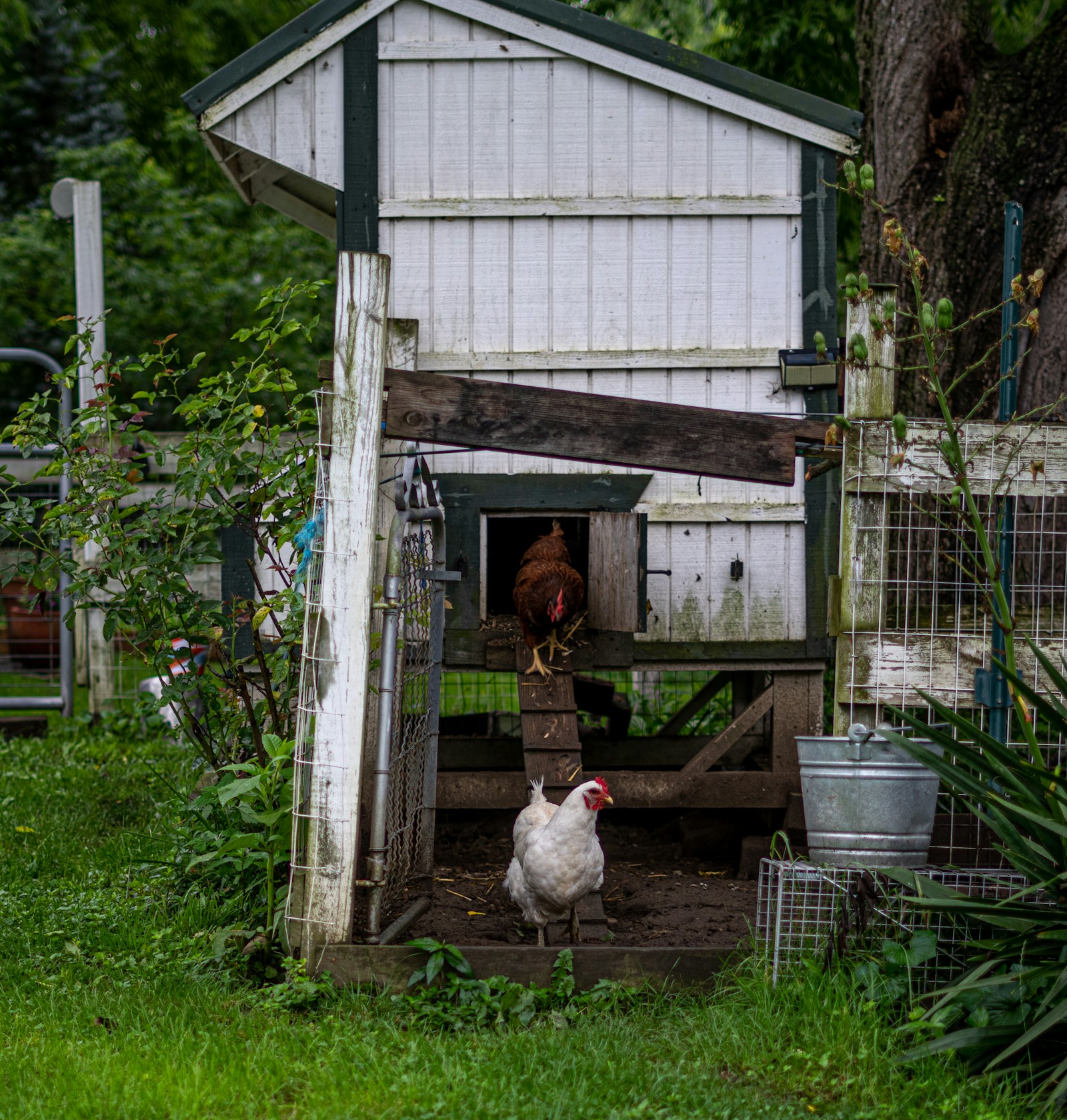
Freezing weather turns a simple convenience purchase into a reliability decision. The goal is automation that still works on the worst morning of the season.
What cold weather changes
Cold affects batteries, lubricants, plastics, condensation and the physical fit of doors. Snow or ice can also obstruct the threshold. A model that performs well in a mild climate may need more attention in a region with repeated freeze-thaw cycles.
Check the operating temperature range
Start with the manufacturer’s published operating-temperature range. Treat that as a filter, not a guarantee. Installation location, wind exposure, moisture and the condition of the coop can make the real environment harder than the air temperature alone suggests.
Battery performance in winter
Battery capacity generally falls in cold conditions. Use the battery type recommended by the manufacturer and monitor low-battery warnings more closely in winter. If the system supports solar charging, remember that short days and snow-covered panels can also reduce charging.
Ice and moving parts
Keep the door track, threshold and surrounding trim clear. Do not improvise lubricants unless the manufacturer recommends them because some products collect dust or become thick in low temperatures. A mechanically simple installation with correct clearance is usually easier to keep reliable.
Light sensors during short days
Light-based closing can still work in winter, but location matters. A sensor under a deep overhang or near artificial lighting may see a different light level than the surrounding yard. Many owners prefer a timer, adjustable delay or hybrid schedule during seasonal transitions.
Protect the threshold
Bedding, packed snow and frozen mud can all interfere with the last part of the closing path. Keep the landing area clear and inspect it after storms. A door cannot compensate for a physical obstruction that has become part of the opening.
Test the manual override
Do not wait for a failure to learn how manual operation works. Test it before winter and make sure anyone caring for the flock can use it. This matters especially when you travel or rely on a neighbor to check the birds.
Bottom line
A cold-weather door should be chosen for simplicity, operating range and serviceability. Fancy controls are secondary if the mechanism itself cannot stay dependable through ice and low temperatures.
Related guides
Disclosure: We may earn a commission from qualifying purchases made through links on this site. We do not claim hands-on testing unless an article explicitly says a product was tested.
Build a stronger winter setup
For sub-zero conditions, use our extreme-cold automatic door guide. If your winter setup uses solar, read the solar guide as well. Keep the not-closing and not-opening troubleshooting guides bookmarked for ice, battery and track problems.
Prepare the coop, not just the controller
Winter problems are often mechanical. Timber can swell, bedding can freeze into the threshold and wind-driven snow can enter a track. Before buying a new controller to solve a reliability problem, inspect the physical opening. The door should move freely by hand through its full travel with reasonable clearance.
Where to mount the electronics
Follow the manufacturer’s location guidance. A protected position under an eave may reduce direct water exposure, but do not bury a light sensor in deep shade if you depend on dusk detection. Cables should be secured so birds cannot peck them and so ice cannot pull on connectors.
Build a winter fallback plan
Automation is most useful when you know what to do if it does not work. Keep spare approved batteries available, know how to use manual override and make sure a family member or flock sitter can operate the door. If you travel during severe weather, remote alerts are helpful only when someone can physically respond if needed.
Frequently asked questions
Can an automatic chicken door freeze shut?
Any outdoor moving mechanism can be obstructed by ice or packed snow. Good installation and routine clearing reduce the risk. Avoid assuming that a published low-temperature rating makes the physical doorway immune to ice.
Should I use a light sensor in winter?
You can, but observe how it behaves at your location. Short days, storms, deep shade and nearby artificial lights can affect the sensor. An adjustable delay or timer can give you more control.
Do batteries die faster in the cold?
Cold can reduce available battery performance. Use the battery type specified by the manufacturer and pay closer attention to low-battery indicators in winter.
Should the door close earlier during storms?
Your flock routine and local predator pressure matter more than a universal rule. If you adjust the schedule for weather, verify that all birds are inside before relying on the new time.
How CoopGear Lab evaluates this topic
We focus on practical criteria such as reliability, fit, weather tolerance, power, controls and maintenance. We separate published specifications from hands-on experience and do not claim testing that did not occur.
Continue with these guides
Affiliate disclosure: CoopGear Lab may earn a commission from qualifying purchases made through links on this site, at no additional cost to you. Affiliate relationships do not change our comparison criteria. Read the full disclosure.