Home / Automatic Doors / Can an Automatic Chicken Coop Door Crush a Chicken?
Can an Automatic Chicken Coop Door Crush a Chicken?
Can an automatic chicken coop door crush a chicken? A poorly designed, incorrectly installed or malfunctioning moving door can create injury risk, which is why obstruction detection, conservative closing times and hands-on observation during setup matter.
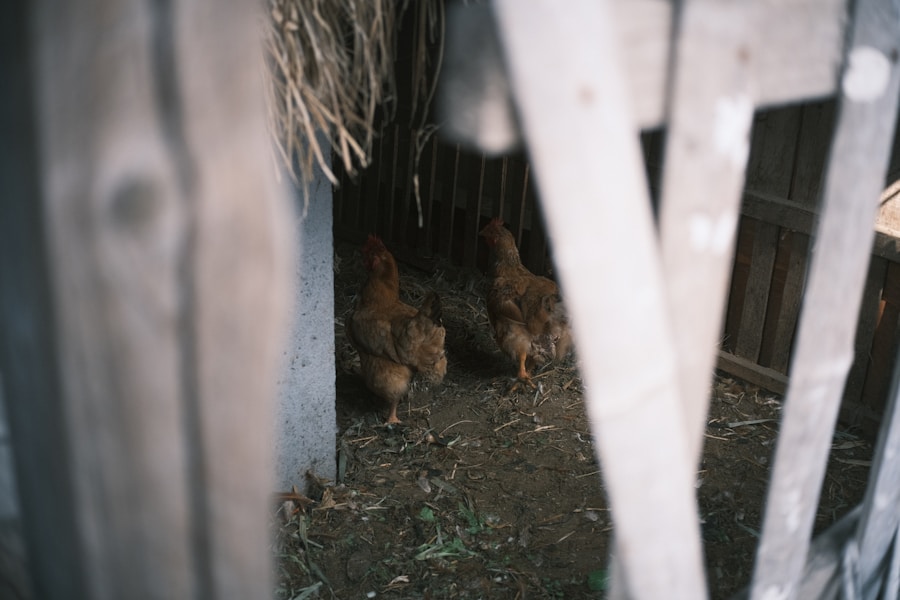
Can an automatic chicken coop door crush a chicken? Any motorized door creates some mechanical risk, but reputable modern systems use obstruction detection, auto-stop or reverse behavior to reduce that risk. The safest approach is to choose a model with clearly documented safety behavior, install it correctly and watch several full closing cycles with your flock before leaving it unattended.
Quick answer
Do not assume “automatic” means dangerous, and do not assume “anti-pinch” means impossible to injure a bird. Safety depends on the exact model, closing force, how the sensor works, whether the track moves freely, and whether chickens can stand or perch in the closing path.
How current major brands address obstructions
RUN-CHICKEN says the current T50 includes an anti-pinch mode that stops and reverses the door when resistance is detected, then tries to close again. Omlet advertises a sophisticated safety sensor on its Smart Autodoor. ChickenGuard’s current door-kit materials describe auto-stop behavior intended to prevent chickens being trapped.
Those are manufacturer claims, not a guarantee that every installation will behave identically. Test the exact unit you own according to its instructions.
Why installation changes safety
A door that rubs on a warped frame may need more motor force than a correctly aligned door. Bedding, feathers, ice and debris can also create resistance. If the mechanism is already fighting friction, obstruction behavior may not feel the same as it does on a clean test bench.
Keep rails and thresholds clear, tighten mounting screws evenly and make sure the opening stays square.
Closing time is part of the safety system
A door is less likely to encounter a bird when the flock is already settled inside. That is why the closing schedule should follow real flock behavior instead of the earliest possible dusk setting.
Our guide to what time an automatic chicken coop door should close explains how to build in a margin for stragglers.
Do not encourage birds to stand in the doorway
Keep feed, water and perches away from the door’s travel path. If a ramp creates a comfortable place to sit directly below a vertical panel, adjust the layout. Good coop design reduces the number of times the safety mechanism ever needs to intervene.
What should you test after installation?
- Cycle the door several times with no birds nearby.
- Verify that the track is smooth and the door closes fully.
- Use the manufacturer’s recommended method to verify obstruction behavior.
- Watch the flock enter at dusk for several nights.
- Count birds after the automatic close.
- Check the doorway regularly for bedding, ice or damage.
Vertical versus side-opening doors
Vertical doors move down through the opening; side-opening doors travel horizontally. Neither geometry is automatically safe or unsafe. What matters is the safety system, force, travel speed, clean installation and whether a bird can linger in the path.
What about chicks and bantams?
Small birds deserve extra observation because their bodies can present less resistance to an obstruction sensor and they may behave unpredictably around a new door. If chicks are using the opening, follow the manufacturer’s age and safety guidance and supervise the system closely.
Manual override matters
You should be able to open the door quickly if a bird is trapped, the controller fails or the schedule is wrong. Before relying on automation, make sure every regular caretaker knows how manual operation works.
Safety versus predator resistance
A secure door needs to resist predators without creating excessive closing risk for chickens. Motor locking, self-locking panels and strong frames can help with predator resistance, while obstruction detection protects during movement. Those are separate jobs and should be evaluated separately.
See our guide to automatic coop doors and predator protection for the security side.
Red flags when shopping
Be cautious when a product page gives no explanation of what happens if the door meets resistance. Also be cautious with vague “anti-pinch” claims that do not appear in a manual or manufacturer documentation. For a moving device around animals, the safety behavior should be easy to find and understand.
Final verdict
An automatic chicken coop door can create injury risk if something goes wrong, but documented obstruction protection, correct installation and sensible timing reduce that risk substantially. Choose the door by its safety behavior, not just price or app features, and supervise the first week of automatic operation.
Frequently asked questions
Will an anti-pinch door always reverse?
Behavior varies by model. Read the current manual for your exact unit and test it using the manufacturer’s recommended procedure.
Can a chicken get locked outside instead?
Yes. This is a more common scheduling concern than crushing. Set the close after the flock has entered and count birds during the first week.
Should I turn automation off for new chicks?
Follow the manufacturer’s guidance and supervise closely whenever the flock composition changes. Young birds can have different movement and roosting habits from adult hens.
How CoopGear Lab approaches this guide
We compare published specifications, manufacturer documentation, fit, climate, controls, safety features and practical ownership tradeoffs. We do not claim hands-on testing unless an article explicitly says we performed it.
Affiliate disclosure: CoopGear Lab may earn a commission from qualifying purchases made through links on this site, at no additional cost to you. Affiliate relationships do not change our comparison criteria. Read the full disclosure.