Home / Automatic Doors / Can Moonlight Trigger an Automatic Chicken Coop Door Light Sensor?
Can Moonlight Trigger an Automatic Chicken Coop Door Light Sensor?
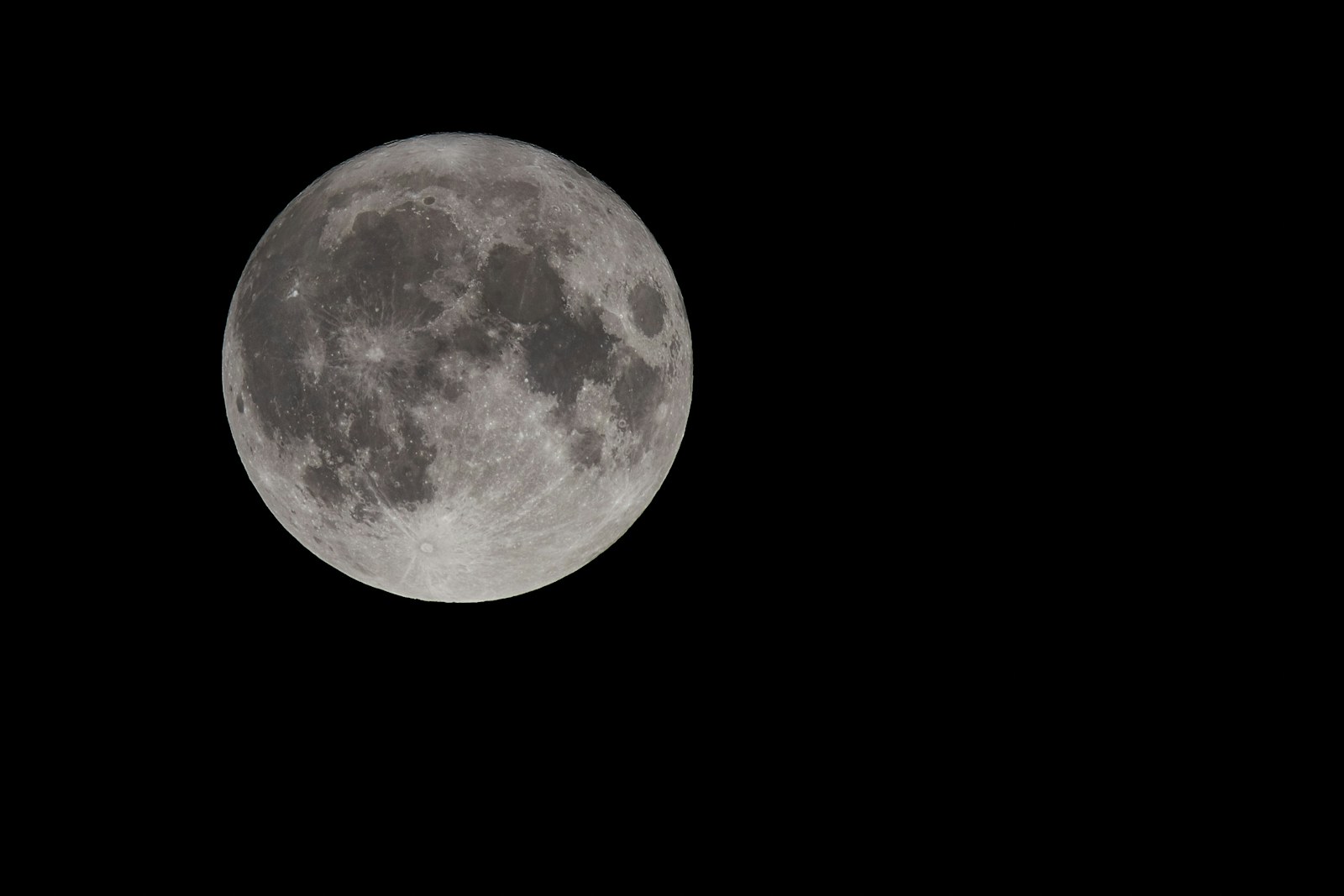
Moonlight sounds like it could confuse a dusk-to-dawn sensor, especially on a bright full-moon night. In practice, the more important question is how much total light reaches the sensor from the moon, reflective surfaces and nearby artificial lighting.
Quick answer
Usually, normal moonlight alone should not be bright enough to imitate dawn on a correctly adjusted coop-door sensor. But a poorly positioned or overly sensitive sensor can react to combined light from the moon, snow, porch lights, security lights or reflective siding. If a door opens unexpectedly at night, treat it as a light-sensor troubleshooting problem rather than assuming the moon is the sole cause.
Why moonlight can look suspicious
Automatic coop doors that use a light sensor make decisions from ambient light, not from the actual position of the sun. ChickenGuard, for example, exposes LUX settings so owners can choose what light level should trigger opening and closing. That means anything that changes the light reaching the sensor can matter.
A bright moon is easy to notice with human eyes, but the sensor is not simply deciding whether the yard looks bright. It is comparing its reading with a programmed threshold. If your door opens at night, first confirm that it is actually using sensor mode and not a timer with an incorrect clock.
1. Check for nearby artificial light before blaming the moon
Porch lights, floodlights, motion lights and illuminated windows are usually more plausible causes than moonlight alone. Our guide on porch lights triggering automatic coop doors explains how to test this by temporarily shielding one light source at a time.
2. Snow can make a night scene much brighter
Fresh snow reflects light extremely well. A bright moon plus snow cover can produce a much brighter sensor environment than the same moon over dark grass. If the problem only occurs after snowfall, inspect both the light reading and sensor position before changing the controller permanently.
3. Make sure the sensor faces open ambient light, not a reflective surface
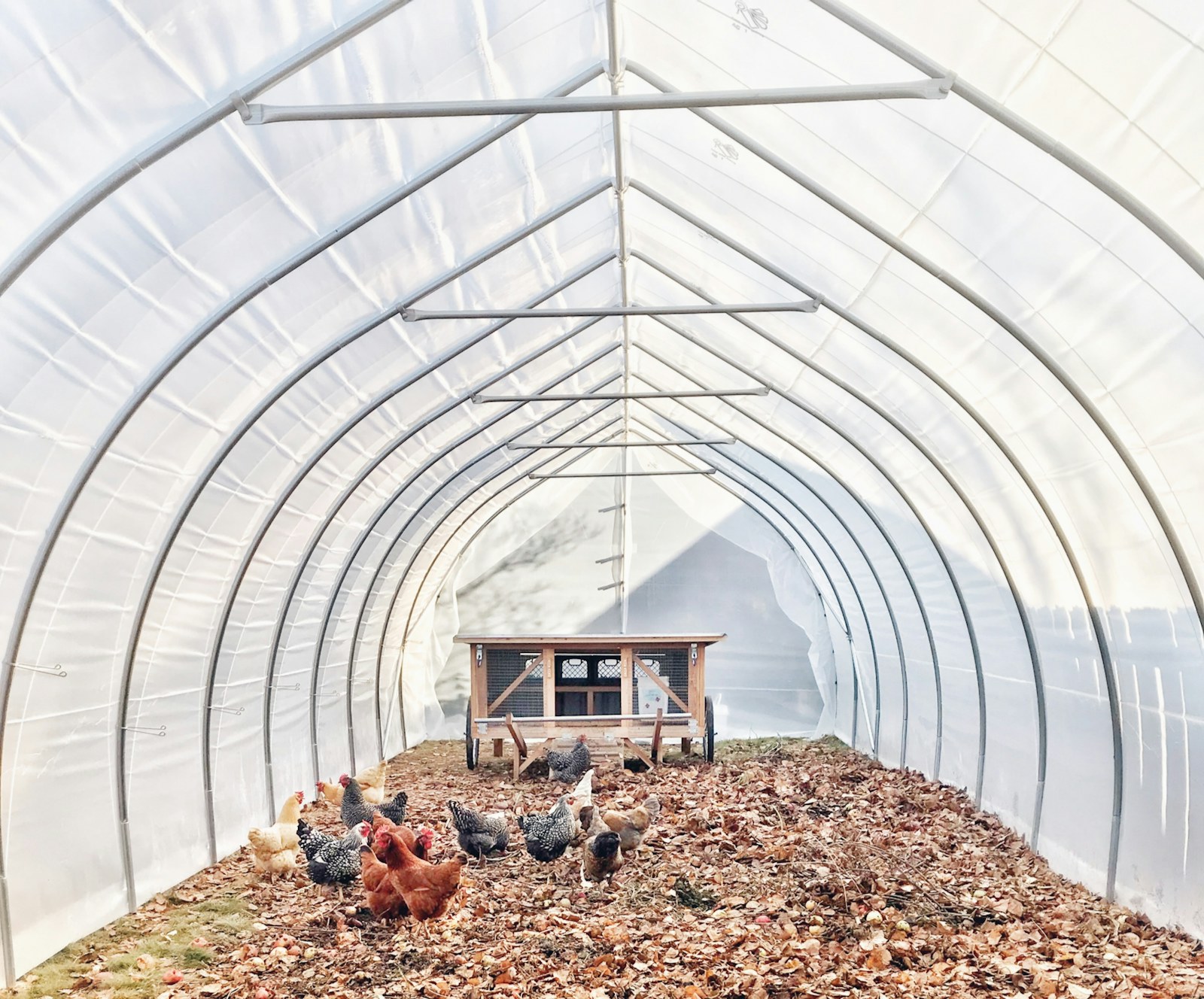
A sensor pointed toward white siding, a metal roof, greenhouse plastic or another reflective surface may receive more stray light than one pointed toward open sky. Placement is often more important than changing the sensitivity. See where to mount the light sensor before making large setting changes.
4. Compare daytime, dusk and nighttime readings
If your controller displays a LUX reading, record it in full daylight, at the normal opening threshold, at dusk, and during the night when the problem occurs. ChickenGuard specifically allows users to take light readings and adjust separate opening and closing values. A night reading that is unexpectedly high tells you the sensor is receiving light from somewhere.
5. Rule out a timer or clock problem
If the door is set to timer mode, moonlight is irrelevant. An incorrect clock, daylight-saving change or programmed opening time can make the door move at night. Use our daylight saving time guide if the behavior started after a clock change.
6. Do not make the sensor so insensitive that dawn stops working
The goal is not to force the door to ignore all low-level light. Adjust settings gradually and test several mornings and evenings. A very large change can solve a rare nighttime false trigger while creating a new problem where the door opens too late.
A simple nighttime test
- Confirm whether the unit is in sensor, timer or combined mode.
- Record the sensor reading when the unexpected opening happens.
- Turn off porch and security lights for one test night.
- Check whether fresh snow or reflective surfaces are increasing the light.
- Shield the sensor from direct artificial light without blocking natural dawn.
- Adjust the opening threshold only after you identify the cause.
Frequently asked questions
Can a full moon open an automatic chicken door?
It is possible for total ambient light to affect a sensitive light sensor, but nearby artificial lighting, reflective snow, sensor placement and controller settings are generally more useful things to investigate first.
Should I cover the sensor at night?
No. Covering it defeats the purpose of dawn sensing and can cause other timing problems. Fix the placement or threshold instead.
What if the door opens and closes repeatedly at night?
That can indicate changing light around the threshold, an incorrect sensor configuration or another control problem. See our guide on a coop door that keeps opening and closing.
Sources checked
We reviewed current ChickenGuard LUX-adjustment, light-sensor and wrong-time troubleshooting documentation while preparing this guide.