Home / Automatic Doors / Can You Install an Automatic Chicken Coop Door Inside the Coop?
Can You Install an Automatic Chicken Coop Door Inside the Coop?
An automatic chicken coop door can often be mounted on the inside wall, but inside mounting changes what the light sensor sees and puts the tracks closer to bedding, dust and birds. The best location depends on the door design and how your coop is built.
Quick answer
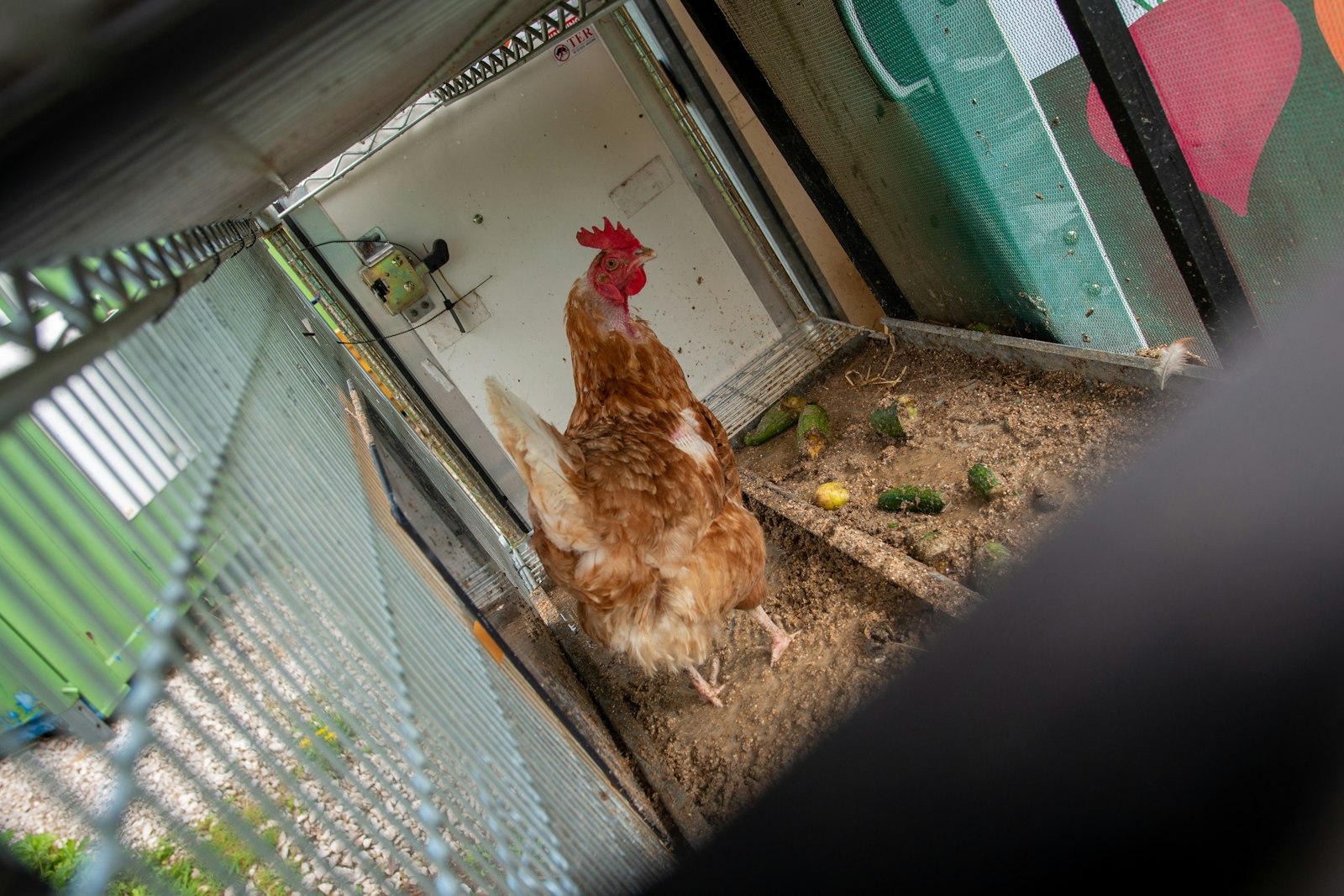
Yes, many automatic chicken coop doors can be installed inside the coop if the manufacturer allows that orientation and the door has enough clearance to move freely. The biggest issues are light-sensor exposure, bedding in the tracks, access for batteries or controls, and keeping the opening secure from the outside.
Inside mounting can work very well
There is nothing inherently wrong with putting an automatic door on the interior face of a coop wall. Some door systems are specifically designed with tracks or motors on the inside, and chicken keepers commonly use interior mounting to protect hardware from rain.
The tradeoff is that the controller and sensor now live in the coop environment. That means lower ambient light, more dust, more bedding and potentially more contact with birds.
1. Check the manufacturer’s mounting instructions first
Some all-in-one doors can be mounted on either face of a flat wall. Other systems have a specific orientation for the door panel, track or motor. Follow the mounting diagram for your exact model rather than assuming that “inside” and “outside” are interchangeable.
If you are still planning the opening itself, our automatic chicken coop door installation guide covers framing, leveling and testing.
2. Light sensors may not work the same inside
This is the biggest functional difference. A light sensor mounted deep inside a coop may see darkness long before the outdoor sky reaches dusk. It can also stay dark longer in the morning.
If the coop has large windows, open ventilation and a bright doorway, sensor mode may still work after calibration. In a dark enclosed coop, timer operation or a remotely mounted sensor can be more reliable.
Before committing to the position, compare it with our guide on light-sensor placement.
3. Bedding can block interior-mounted tracks
Chickens kick shavings and straw constantly. If a horizontally sliding door or bottom track sits at floor level, bedding can collect directly in the mechanism. This is one of the strongest practical arguments for raising the doorway enough to keep normal litter depth below the moving parts.
4. Protect the outside opening from lifting and prying
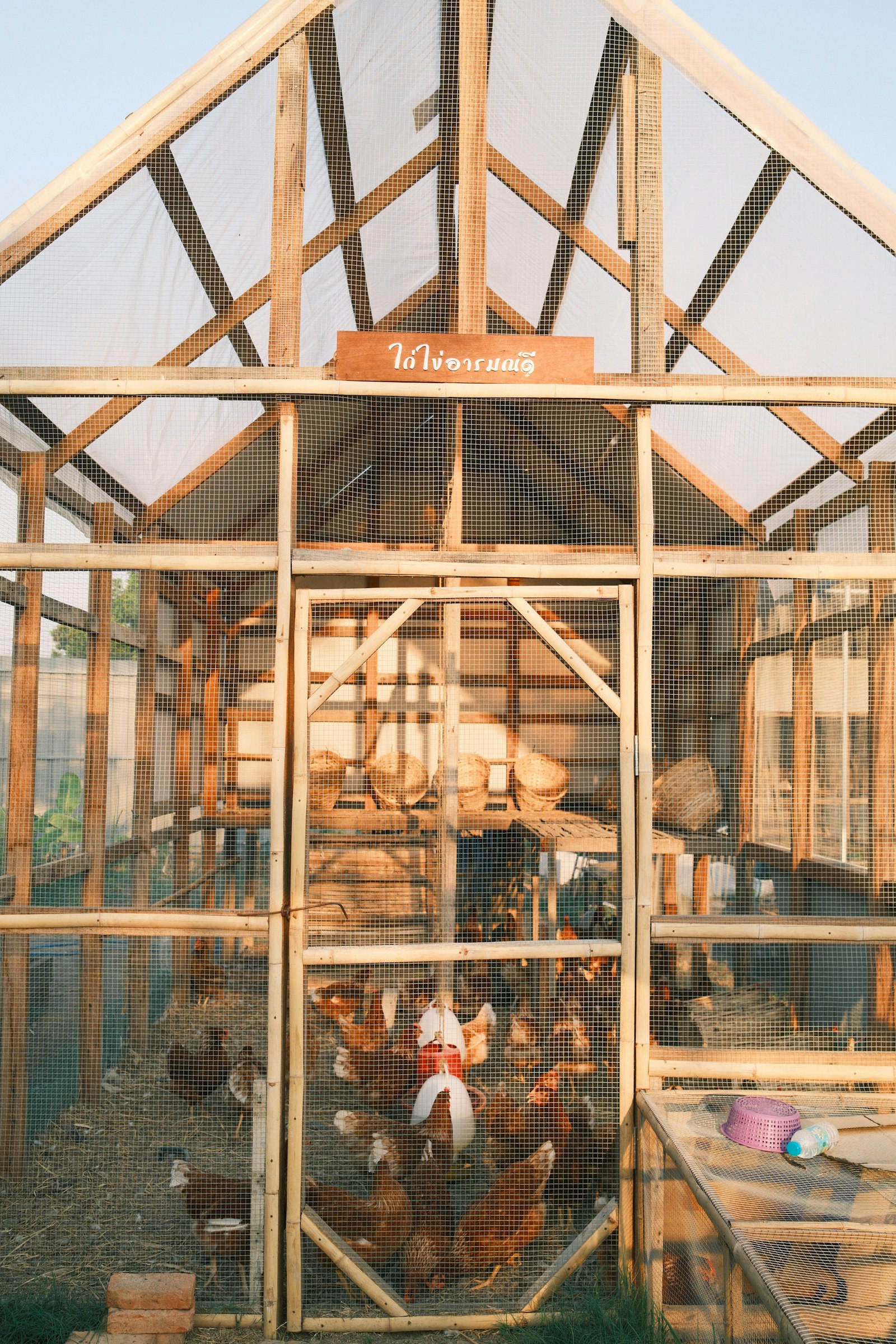
Interior hardware does not automatically make the outside opening predator-resistant. The closed panel still needs to overlap or seat into the frame so a raccoon cannot reach beneath it and lift it.
Check the outside face after installation. Look for gaps along the bottom and sides, loose trim, exposed edges and anything that creates a finger-width pry point. Our predator protection guide explains why the whole opening matters, not only the motor.
5. Make sure you can reach batteries and controls
An inside-mounted controller may require you to enter the run or coop every time you change batteries, recalibrate the door or read an error code. That may be fine in a walk-in coop and annoying in a small elevated box.
Think about maintenance before fastening the unit permanently. A door that is easy to install but difficult to service can become frustrating within a few months.
6. Interior mounting can reduce direct rain exposure
Even weather-resistant doors benefit from less direct water. Mounting electronics inside can protect them from driving rain and snow, but do not use interior mounting as an excuse to ignore the outside cut edge. Seal exposed wood around the opening so moisture cannot swell the wall and distort the door frame.
For wet-climate considerations, see whether automatic coop doors can get wet.
7. Watch one full dusk-to-dawn cycle before trusting it
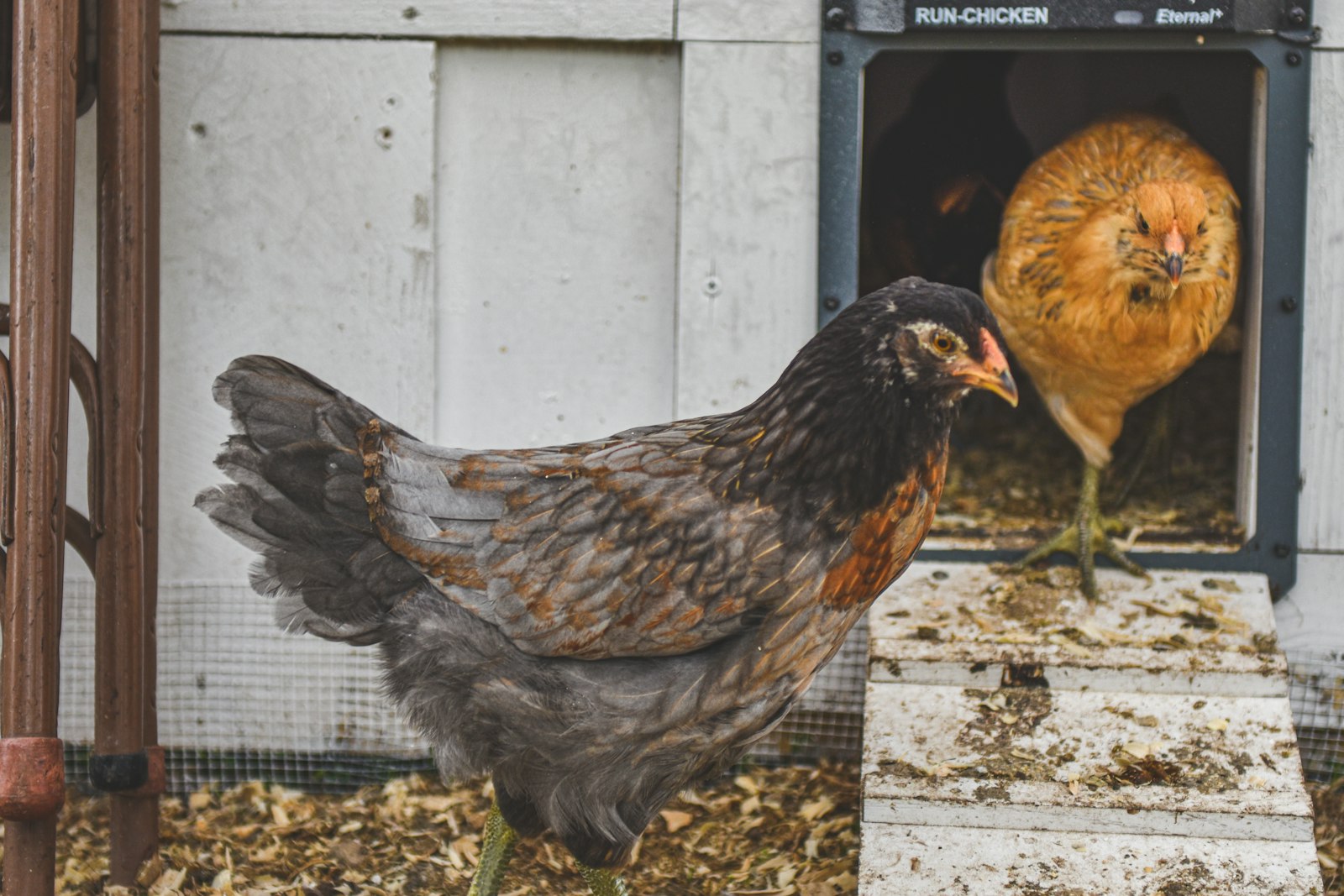
Manual testing only tells you that the motor and track move. It does not prove an indoor sensor will see the right amount of outdoor light. After installation, watch the door close naturally in the evening and open naturally the next morning.
If it closes too early, opens too late or behaves differently on cloudy days, adjust the sensor position or operating mode before leaving the flock unattended.
Inside versus outside mounting
Inside mounting is attractive when: the wall is flat inside, you want to shelter the motor from weather, you can keep bedding away from the track, and the sensor still receives useful daylight.
Outside mounting is attractive when: the controller needs a clear sky view, the inside wall has perches or framing in the way, or you want easier access without entering the coop.
Frequently asked questions
Will a light sensor work inside a chicken coop?
It can if the sensor receives enough natural daylight and can be calibrated for that location. A very dark coop may require timer control or an external sensor.
How high should an inside-mounted automatic door be?
High enough that normal bedding does not collect in the track or doorway, while still allowing your birds to use the opening comfortably. See our door height guide for the broader sizing considerations.
Does inside mounting make the door safer from predators?
It can protect the hardware from direct tampering, but security still depends on the panel, tracks, frame and outside gaps. A predator should not be able to lift or pry the closed door.
Sources checked
We reviewed current automatic-door installation guidance plus manufacturer and owner documentation describing interior track installation, sensor placement and bedding clearance.