Home / Automatic Doors / Why Is My Automatic Chicken Coop Door Opening Too Early?
If your problem is the opposite, use our guide to an automatic chicken coop door opening too late.
Why Is My Automatic Chicken Coop Door Opening Too Early?
If an automatic coop door opens before you want it to, the cause is usually the trigger logic, light-sensor exposure, a clock setting or a manual override rather than a failed motor.
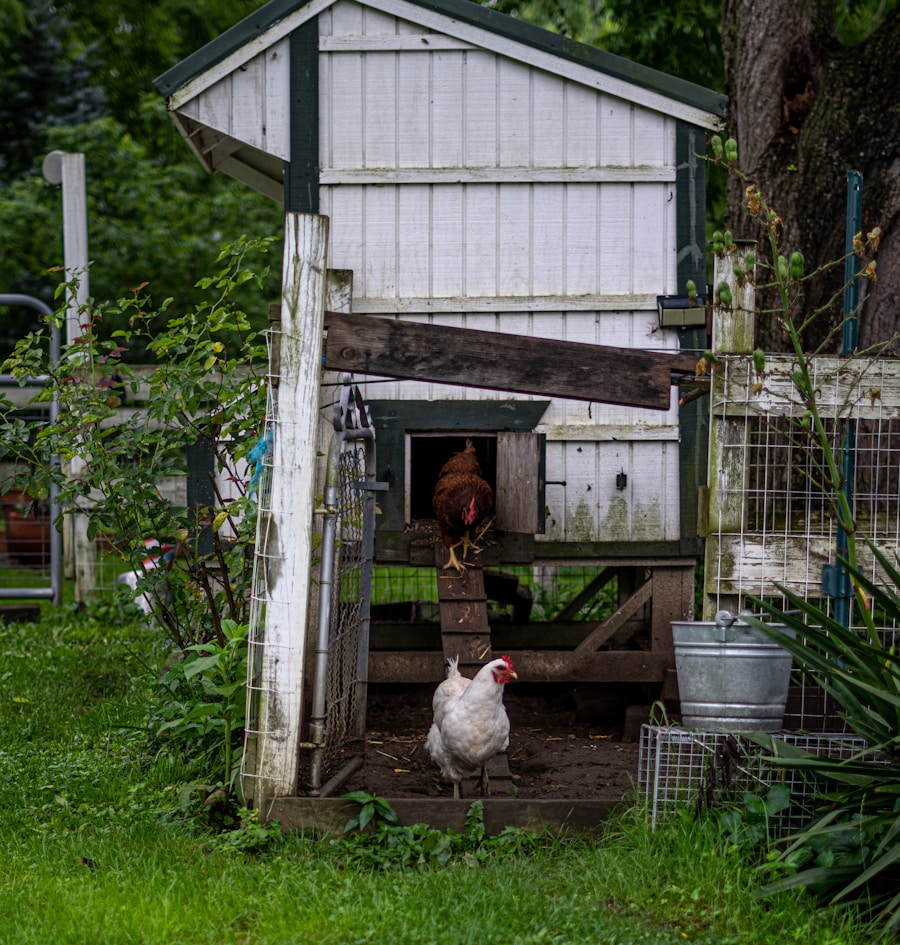
An automatic chicken coop door that opens too early is usually reacting to light, a programmed time, a hybrid schedule, or a setting that changed after a reset. Start by identifying which mode actually controls the morning opening. Once you know whether the trigger is light, time, GPS/sunrise data or a combination, the diagnosis becomes much easier.
Quick answer: check the trigger before changing anything
Do not immediately move the door or replace batteries. First check the controller mode. A light-sensor door can open early because the sensor sees artificial light, headlights, a bright security lamp or an unusually exposed eastern sky. A timer can open early because the clock or programmed opening time is wrong. A smart door can use sunrise data rather than a physical light sensor, which means moving the sensor will not change anything.
1. Confirm whether the door is using a light sensor or timer
Automatic doors often support several modes: light only, timer only, or a hybrid where one event uses light and the other uses time. Some controllers also allow different morning and evening logic. Read the current mode on the controller or in the app before troubleshooting.
If you are not sure which trigger is best, our timer vs light sensor guide explains the tradeoffs.
2. Look for artificial light near the sensor
A photocell does not know whether brightness comes from the sun or another source. Depending on the model, porch lights, barn lights, motion-activated security lights, vehicle headlights, heat lamps or infrared equipment can influence the reading. Coop’s support documentation specifically warns that artificial or IR light can interfere with sensor-based operation.
Watch the coop during the hour before the unwanted opening. A light source that seems minor during the day may be obvious in darkness. If the door opens at nearly the same time that a security light activates, you have a strong clue.
3. Check sensor position and exposure
A sensor with a clear view of the brightening eastern sky can reach its opening threshold sooner than one under a roof overhang. That is not necessarily a defect. It is simply seeing more ambient light. If your model allows a remote sensor or adjustable sensitivity, use those features rather than blocking the sensor randomly.
Our dedicated guide on where to mount an automatic coop-door light sensor covers shade, eaves and artificial light in more detail.
4. Recheck the controller clock
If the opening is timer-based, compare the controller clock with the actual local time. A reset, battery change, daylight-saving adjustment or incorrect 12/24-hour interpretation can shift the schedule. Also verify that you changed the opening time rather than a separate close time or secondary schedule.
5. Check whether a reset changed the mode
Some controllers return to default settings after a full reset or battery removal, while others retain settings. If the problem started immediately after maintenance, confirm the operating mode, clock and opening threshold again.
6. Decide whether opening early is actually a problem
The main concern is predator exposure. Opening while it is still truly dark can reduce the protection you gained by automating the coop. Opening a few minutes before direct sunlight reaches the yard may be perfectly normal because dawn starts before sunrise.
Observe the flock and the outside light level for several mornings. If the birds remain inside until they are comfortable exiting, an early opening may be less urgent than a door that closes too early and traps birds outside.
How to fix a light-sensor door that opens too early
Use the least invasive fix first. Move or redirect nearby artificial lights. Adjust sensor sensitivity if the manufacturer provides that setting. Use an opening delay if supported. Relocate a remote sensor to a more representative position. If the coop environment makes light sensing unpredictable, switch the morning event to a timer or location-based sunrise mode when the product supports it.
Do not cover the sensor completely
Tape, paint or improvised covers can make the sensor unreliable in the opposite direction. The goal is not to make the sensor dark. The goal is to expose it to representative outdoor light without unusual artificial illumination.
When low batteries can affect timing
Low voltage can cause strange controller behavior on some inexpensive doors, especially if the display or clock is already acting erratically. If the battery indicator is low, replace the batteries before chasing more complicated causes. See what happens when an automatic coop-door battery dies for a fuller troubleshooting sequence.
A simple morning test
- Confirm the operating mode the night before.
- Record the programmed time or sensitivity setting.
- Watch the sensor area 30 minutes before the usual opening.
- Note artificial lights and exact opening time.
- Repeat for two or three mornings before changing multiple settings.
Changing only one variable at a time makes it much easier to identify the real cause.
Frequently asked questions
Should an automatic coop door open at sunrise?
Not necessarily. Light-based systems respond to brightness thresholds, while timers follow a clock and smart systems may use calculated sunrise. A short difference from official sunrise is normal.
Can headlights trigger a chicken coop door?
They can influence a photocell on some systems if the light is strong and sustained enough. The effect depends on sensor design and threshold.
Is a timer better if my yard has security lights?
It can be. If artificial lighting changes frequently, a fixed timer or GPS/sunrise mode may be more predictable than a local photocell.
Bottom line
When an automatic chicken coop door opens too early, diagnose the trigger first. Light exposure, artificial illumination and settings are more common causes than a mechanical failure. Make one adjustment at a time, watch a complete morning cycle, and keep predator risk as the deciding factor.
How CoopGear Lab approaches this topic
We separate manufacturer specifications from practical setup guidance and do not claim hands-on testing unless we actually performed it. For automatic doors, we focus on fit, timing, safety, weather, power and maintenance.
Continue with these guides
Affiliate disclosure: CoopGear Lab may earn a commission from qualifying purchases made through links on this site, at no additional cost to you. Affiliate relationships do not change our comparison criteria. Read the full disclosure.