Home / Automatic Doors / Why Is My Automatic Chicken Coop Door Opening Too Late?
Why Is My Automatic Chicken Coop Door Opening Too Late?
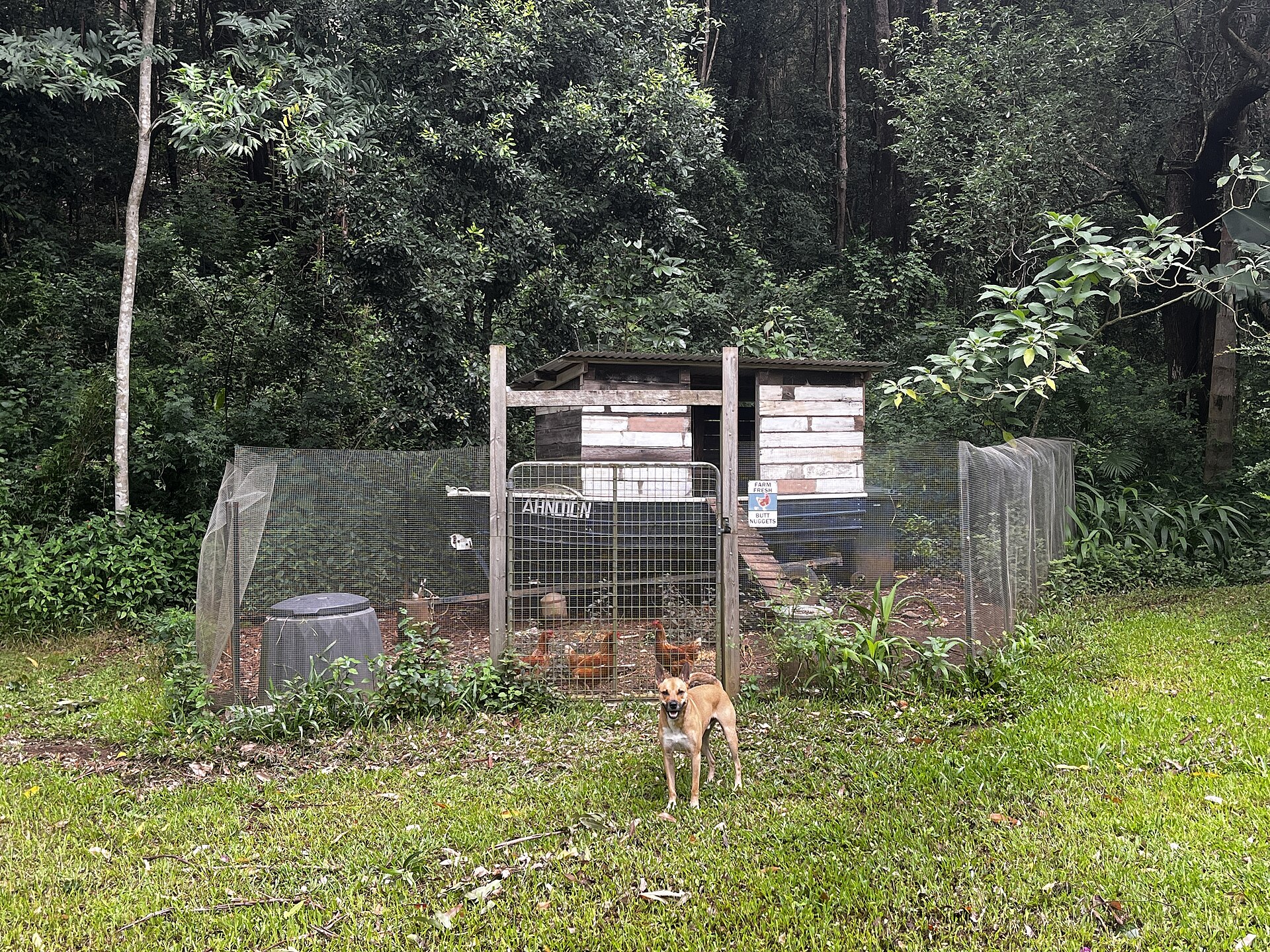
A coop door that opens later than expected is usually responding to darkness, a programmed delay, an incorrect timer, weak power, or a sensor that is mounted where morning light reaches it late. The fastest fix is to identify which signal actually controls the opening.
Quick answer
Check the active opening mode first. If it is light-controlled, inspect the sensor at dawn and see whether a wall, roof, tree or coop orientation keeps it dark. If it is timer-controlled, verify the controller clock and programmed open time. Then check batteries and any built-in sunrise delay before changing sensitivity.
Why a coop door can open late even when nothing is broken
Automatic doors do not all define “morning” the same way. Some respond to a light threshold. Some use a fixed timer. Others use sunrise data plus a delay. A door can therefore open exactly as designed but still feel late compared with the actual sunrise outside your window.
If your problem is the opposite, use our guide on doors opening too early.
1. The light sensor stays shaded after sunrise
A sensor on the west side of a coop, under a deep roof, behind fencing, or inside a dim structure may not receive enough morning light until well after the yard is bright. Safe Coop recommends choosing light settings based partly on the door location, and Coop Support advises that sensors mounted inside need a natural light source.
Observe the actual sensor at the time you want the door to open. If it is still in shadow, the problem is placement rather than the sunrise itself. Review our light-sensor mounting guide before relocating it.
2. Heavy cloud, fog or winter darkness delays the threshold
ADOR notes that very overcast or foggy days can make a daylight-controlled door open later and close earlier. Winter mornings can have the same effect because usable ambient light builds slowly.
If the delay varies with weather, that is an important clue. A fixed timer or GPS/sunrise mode may give more predictable morning access if your controller supports one.
3. The opening threshold is set too bright
On adjustable systems, a high opening-light threshold tells the controller to wait for brighter conditions. Safe Coop, for example, documents an opening light-level setting and notes that higher brightness values can make the door open later.
Change the threshold gradually. The goal is not to force an extremely early opening; it is to find a reliable point that does not expose the flock before you want the coop open.
4. The door has a built-in sunrise delay
Some systems intentionally wait after sunrise. RUN-CHICKEN documentation describes a factory mode that opens twenty minutes after sunrise. That delay may be exactly what you are seeing.
Read the operating mode description for your model before assuming the sensor is faulty. A built-in delay is often adjustable or replaceable with a specific-time opening mode.
5. The timer or controller clock is wrong
A timer that is ten, thirty or sixty minutes wrong produces an opening that looks like a sensor issue. Check the current time, AM/PM, 24-hour format, time zone and weekday/weekend schedule. Battery replacement can also reset clocks on some models.
If the problem started after a seasonal clock change, our daylight saving time article walks through the checks.
6. Batteries are weak in the coldest part of the morning
Cold conditions can reduce available battery performance. A unit may have enough power for its display but struggle with a stiff panel, ice or high motor load. If opening is especially slow or unreliable during winter, replace aging batteries and inspect for frost.
See how to stop an automatic coop door freezing shut if the timing problem is paired with ice or a stuck lower edge.
7. A manual close or reset changed the automatic routine
Some controllers temporarily leave automatic mode or return to a factory mode after a manual command or reset. RUN-CHICKEN documentation, for example, describes a return to its default factory behavior after a manual action. Other doors require automatic mode to be re-enabled explicitly.
A fast morning test
- Confirm the opening mode.
- Compare the controller clock with your phone.
- Inspect the sensor at dawn, not at midday.
- Check whether a roof, tree or wall delays direct sky exposure.
- Review any programmed sunrise offset or opening threshold.
- Install fresh manufacturer-specified batteries if power is questionable.
- Watch the next two morning cycles before making another big change.
Should chickens be let out exactly at sunrise?
There is no single required minute. The practical goal is consistent access at a safe time for your setup. Predator pressure, run security, weather and flock routine all matter. If your run is not predator-resistant, opening extremely early can create a different problem.
Frequently asked questions
Why does my light-sensor chicken door open later on cloudy mornings?
Because the sensor is waiting for its programmed brightness threshold, and heavy cloud or fog can delay that level.
Can the side of the coop affect opening time?
Yes. Sensor orientation and shade can materially change when morning light reaches the detector.
Could weak batteries make the door open late?
They can contribute to slow or failed movement, especially in cold weather or when the door is binding.
Sources checked
We checked current ADOR troubleshooting, Safe Coop light-sensor guidance, Coop Support documentation, RUN-CHICKEN operating instructions and ChickenGuard timing guidance.