Home / Automatic Doors / How Do You Stop an Automatic Chicken Coop Door From Freezing Shut?
How Do You Stop an Automatic Chicken Coop Door From Freezing Shut?
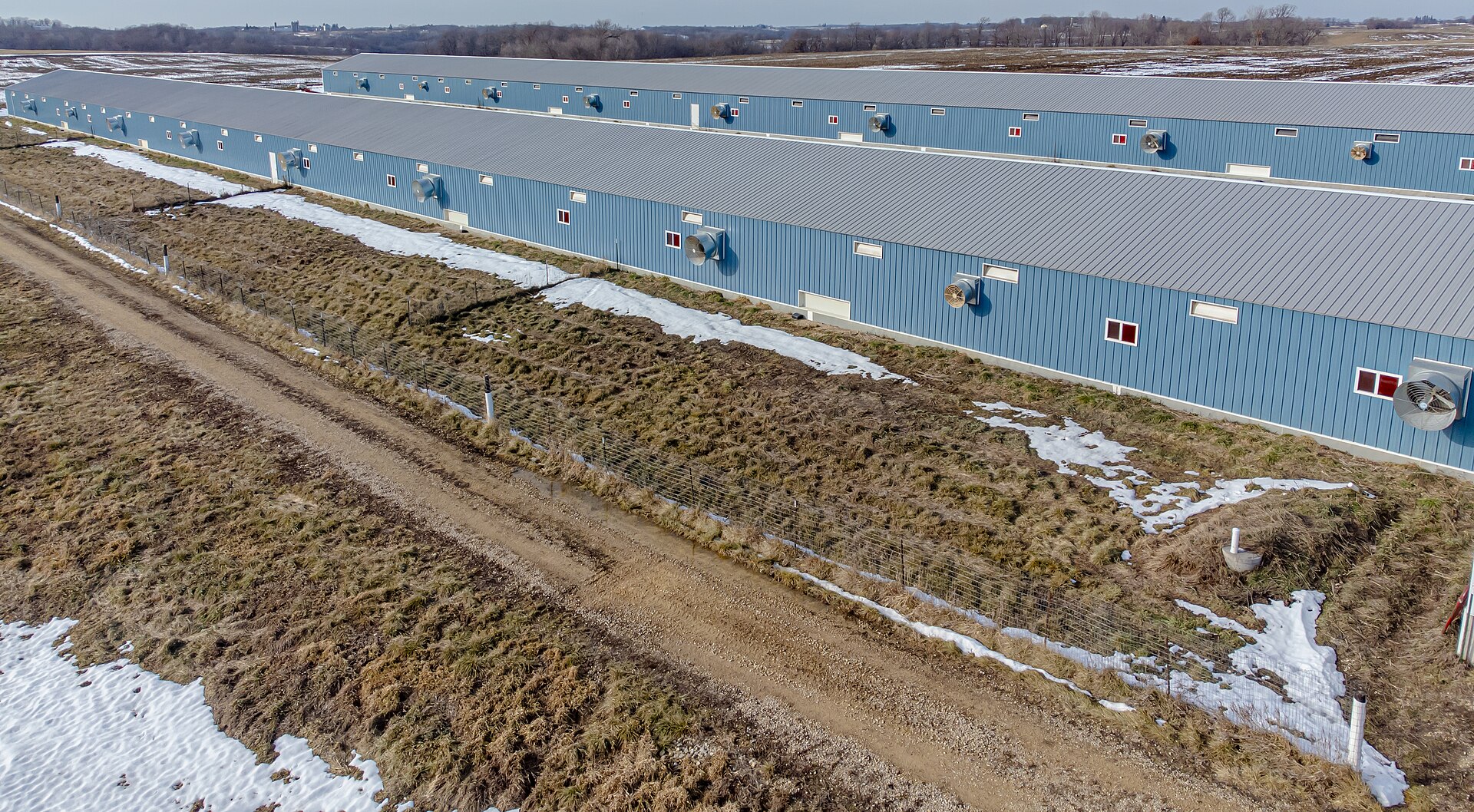
An automatic coop door that freezes shut is usually dealing with water before it is dealing with temperature. Snowmelt, roof runoff, condensation or wet debris reaches the rails or threshold, freezes overnight, and turns a normally easy motor cycle into a stall.
Quick answer
To stop an automatic chicken coop door from freezing shut, keep water out of the moving path first: shelter the door from roof runoff, improve drainage, clean the rails and remove wet bedding. Then use the manufacturer’s winter or power mode if your model provides one, and keep fresh approved batteries installed.
ChickenGuard owners seeing rapid cold-weather battery loss can use our ChickenGuard winter battery guide.
Why automatic coop doors freeze shut
Cold alone is not usually the whole problem. The mechanism freezes when moisture reaches a contact point and turns to ice. Common freeze points include the bottom threshold, narrow side runners, self-locking bolts, the lower edge of a sliding panel and wet debris packed against the door.
1. Stop roof runoff from hitting the door
If the coop roof drips directly above the opener or rails, add an overhang, small awning or drip edge. The goal is not to heat the door. It is to keep liquid water from reaching the places that must move at dawn.
See our rain and waterproofing guide for exposed installations.
2. Keep the threshold dry
A low spot outside the pop hole can collect meltwater. Overnight, that puddle becomes an ice bond across the bottom edge. Improve grade, add drainage material, or raise the threshold where the coop design allows it.
3. Remove wet bedding before it freezes
Straw and shavings can wick water into the bottom track. Once frozen, that compacted bedding acts like a wedge. Keep loose bedding back from the door path and brush the track clean during freeze-thaw weather.
4. Keep the rails clean, not automatically lubricated
Do not assume oil is the answer. Some manufacturers recommend keeping rails clean without lubrication because oily surfaces can hold grit. Follow the manual before applying silicone, grease or spray lubricant.
5. Use winter mode only as designed
ChickenGuard’s All-in-One includes a Winter Mode that gives the motor more power when ice or frost has formed around the rails. RUN-CHICKEN documents a Power Mode on current T50 models to help overcome ice, snow and debris.
If the door itself moves freely but the schedule changes in winter, check whether the light sensor is covered by snow or frost.
6. Replace marginal batteries before a cold snap
A motor needs more power when the door is cold and the rails are stiff. Batteries also perform differently at low temperature. If the battery indicator is already low, freezing weather is a poor time to squeeze out the last few days of use.
Read why automatic coop-door batteries can drain quickly for the power side of the problem.
7. Test the door at the coldest part of the morning
A door that moves freely at 2 p.m. may still be frozen at sunrise. During the first serious freeze, inspect it before the programmed opening time. Look for frost around the bottom corners, lock points and rails.
8. Do not use boiling water as a routine fix
Hot water can free ice temporarily, but it adds more water to the same area and may refreeze. Mechanical ice removal, drainage and shelter are better long-term strategies.
What if the door is frozen open?
A frozen-open door is the urgent security problem. Secure the coop manually first. Once the opening is protected, remove ice and find the source of moisture.
What if the door is frozen closed?
Keep the birds inside until you can free the mechanism safely. Do not repeatedly command the motor against solid ice. Repeated stalls can waste battery power and stress the drive.
Cold-weather checklist
- Keep roof runoff away from the opener and rails.
- Clear wet bedding from the threshold each evening.
- Check drainage outside the pop hole.
- Use fresh manufacturer-approved batteries.
- Enable winter or power mode only if your model supports it.
- Watch bird safety carefully when using higher-force modes.
Frequently asked questions
Can an automatic chicken coop door work below freezing?
Yes, many are designed for freezing conditions, but water management and installation quality still determine whether ice forms in moving parts.
Should I put a heater on the coop door?
Usually not as the first solution. Preventing water from reaching the tracks is simpler and avoids adding electrical equipment near bedding and animals.
Can snow in the rails stop the door?
Yes. Packed snow can create the same resistance as ice or debris.
Sources checked
We reviewed current ChickenGuard winter troubleshooting, ChickenGuard Winter Mode guidance and RUN-CHICKEN T50 winter features.