Home / Automatic Doors / What If an Automatic Chicken Coop Door Sensor Gets Covered by Snow or Frost?
What If an Automatic Chicken Coop Door Sensor Gets Covered by Snow or Frost?
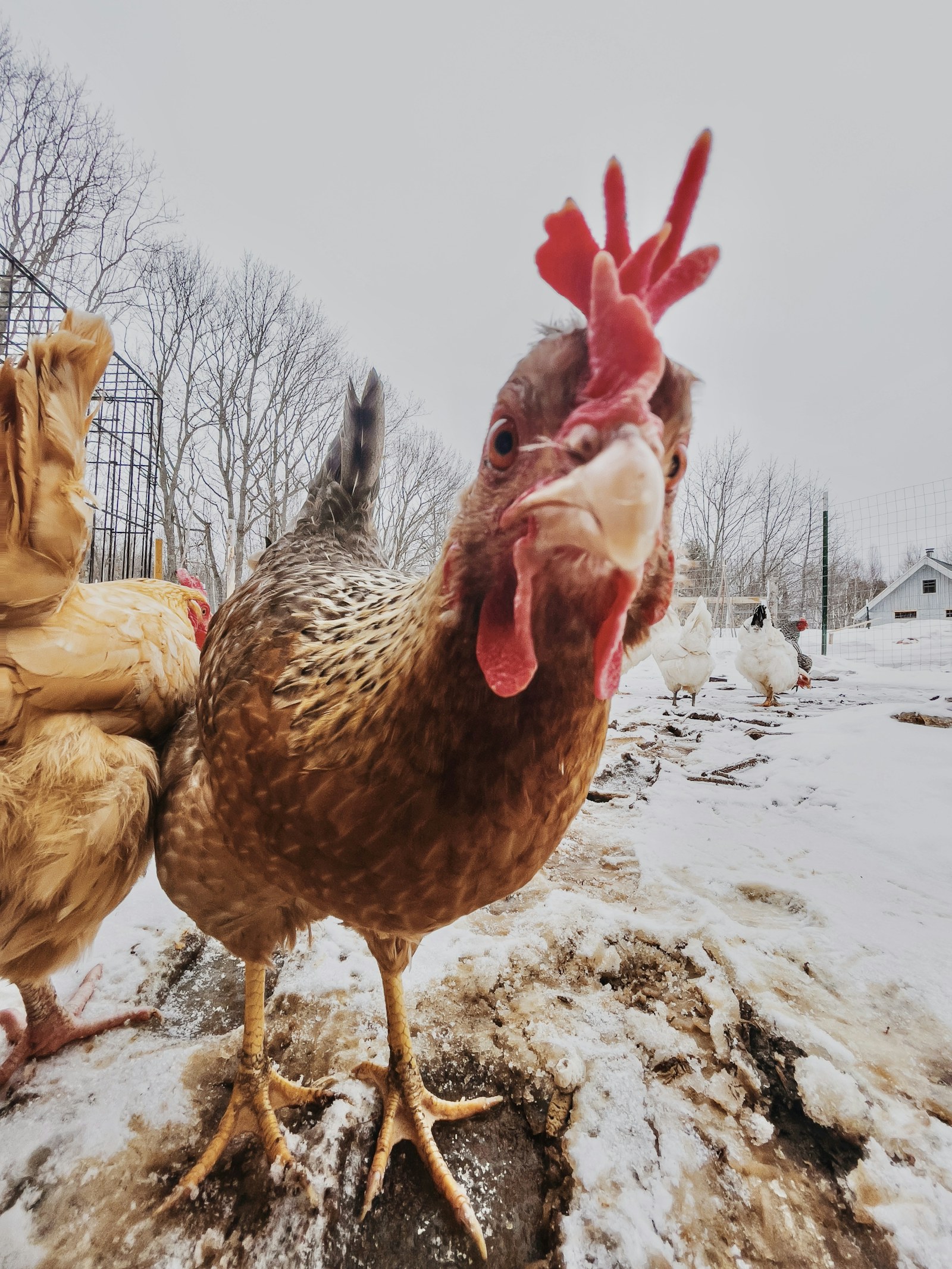
A light sensor can only make a good dawn or dusk decision if it can actually see ambient light. Frost, wet snow and ice on the sensor face can make the controller think it is darker than it really is.
Quick answer
Yes. Snow or frost covering a light sensor can make an automatic coop door open late, close early or fail to follow its normal light-based schedule. Clear the sensor gently, check for moisture or ice around the housing, and improve shelter or sensor placement rather than repeatedly increasing sensitivity.
Why snow and frost cause sensor problems
Light-sensor doors depend on the amount of light reaching the sensor. ChickenGuard describes its LUX value as the measurement used to decide when to open and close. If frost or snow blocks the sensor window, the controller can receive a much lower reading than the actual outdoor conditions.
This is different from the door itself freezing shut. If the panel or rails are iced, use our automatic coop door freezing-shut guide. Here we are dealing specifically with the sensor.
1. Clear the sensor before changing any settings
Do not immediately change the LUX threshold after one snowy morning. Brush loose snow away and let frost thaw or wipe it gently with a soft dry cloth. Avoid scraping a plastic sensor window with a knife or screwdriver.
2. Check whether water is repeatedly freezing on the same spot
If the sensor frosts over every morning, look for roof runoff, condensation, wind-driven snow or a location where meltwater drips onto the controller. The long-term fix is usually shelter and drainage, not more aggressive sensor settings.
3. A small overhang can help, but do not put the sensor in deep shade
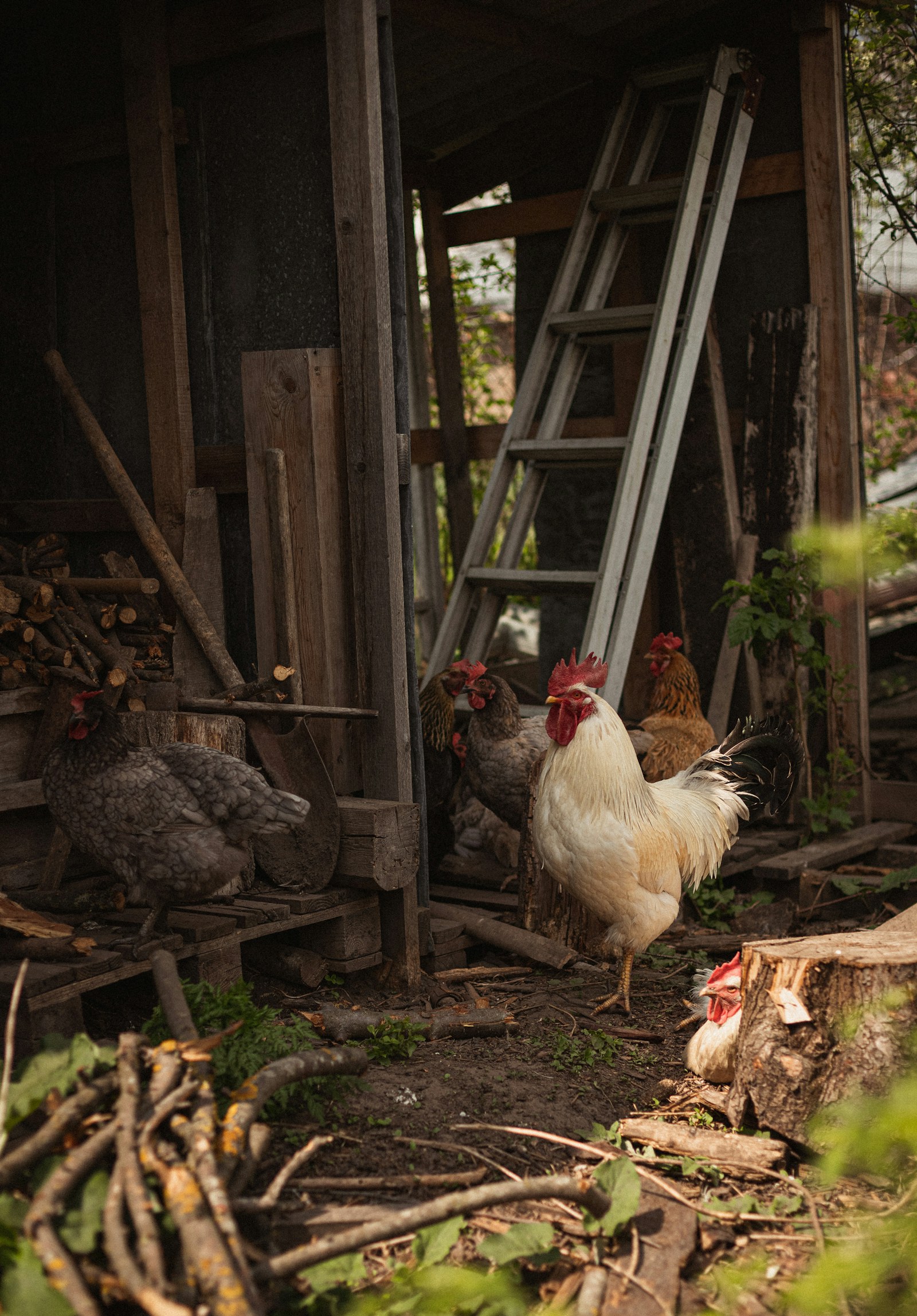
Protection from direct precipitation is useful, but a deep porch, boxed enclosure or low roof edge can make the sensor too dark even when it is clean. The ideal location is sheltered from direct water while still exposed to representative outdoor light.
Our light-sensor mounting guide covers that balance in detail.
4. Snow on the ground can create the opposite problem after you clean the sensor
Fresh snow reflects light. Once the sensor window is clear, a snowy yard may appear brighter to the controller than the same yard without snow. That is another reason to avoid making a large permanent sensitivity change during one storm.
5. Check batteries at the same time
Cold weather can expose weak batteries at the same time that snow interferes with the sensor. If the door moves slowly or the display behaves strangely, test with a fresh manufacturer-approved set. See why automatic coop door batteries drain quickly for the power side of the problem.
6. Use timer mode temporarily if your sensor keeps icing
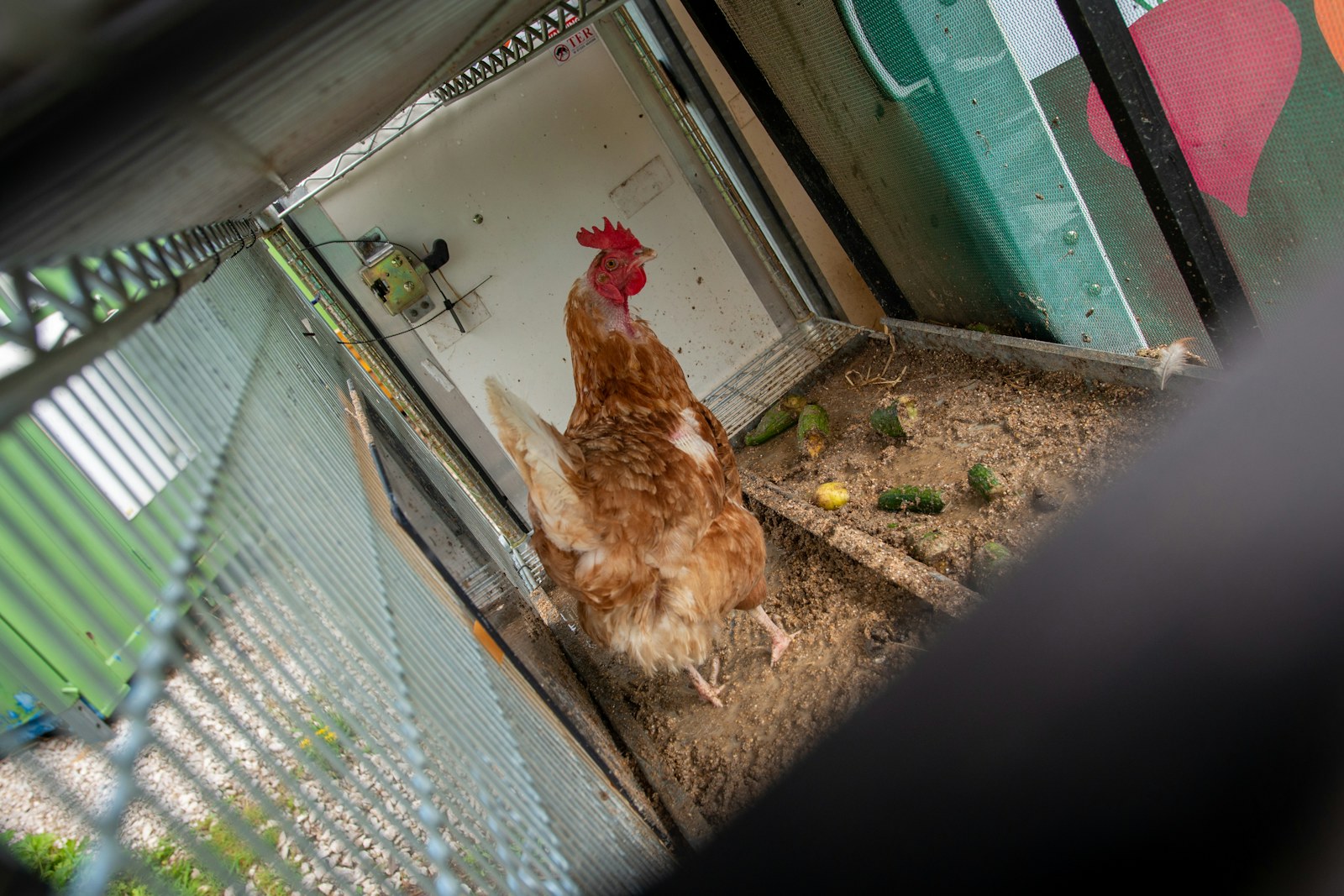
If the weather is severe and your model supports timer control, a conservative timer schedule can be a useful temporary workaround while you fix the sensor location. Do not rely on a blocked sensor to make a safety-critical closing decision.
Winter sensor checklist
- Brush loose snow from the sensor face.
- Remove frost without scratching the lens.
- Check for roof runoff or recurring condensation.
- Confirm the controller is still set to the intended sensor mode.
- Take a fresh light reading if the model supports it.
- Check battery condition.
- Watch one full open and close cycle after the cleanup.
Frequently asked questions
Can frost make my automatic coop door open late?
Yes. Frost can reduce the light reaching the sensor, making morning conditions appear darker than they really are.
Can snow make the door close early?
Snow covering the sensor can make it read darker and close early. Clean snow on the ground can also reflect light, so winter behavior can vary depending on exactly what is covered.
Should I put a cover over the light sensor?
A small weather shield can help if the manufacturer permits it, but do not create deep shade around the sensor. It still needs representative outdoor light.
Sources checked
We checked current ChickenGuard light-sensor documentation and current cold-weather guidance discussing the need to keep automatic-door sensors clear of frost and snow.