Home / Automatic Doors / Can a Heat Lamp or Infrared Camera Interfere With an Automatic Chicken Coop Door?
Can a Heat Lamp or Infrared Camera Interfere With an Automatic Chicken Coop Door?
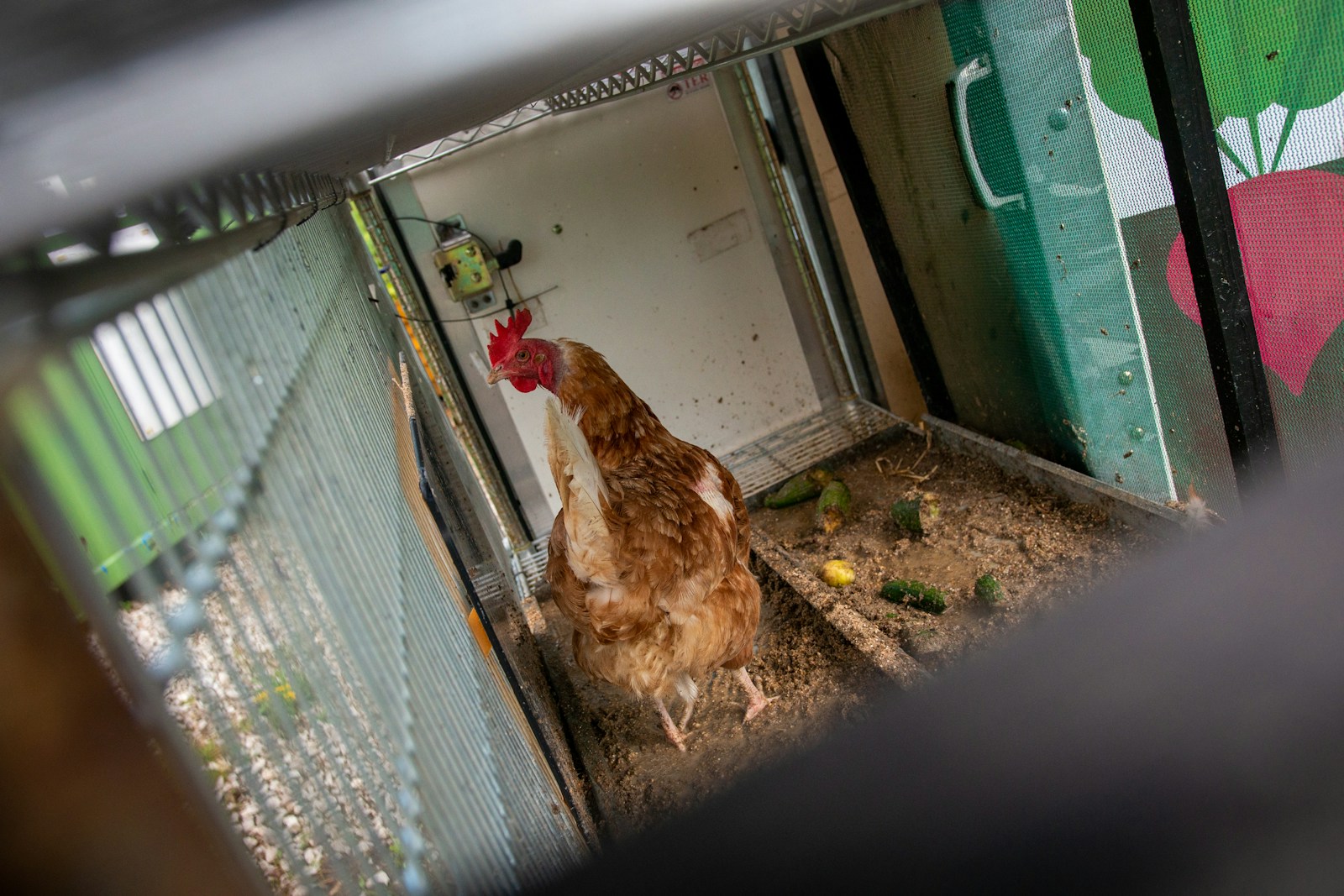
Yes, some automatic coop doors can be affected by heat lamps, infrared camera illuminators, security lights or other artificial light sources. Whether it happens depends on the sensor design, where the sensor is mounted, and whether the controller distinguishes natural daylight from other light.
Quick answer
If your door stays open too late, opens unexpectedly, or changes behavior after you install a coop camera or heat lamp, test the light source before resetting the door. Temporarily switch the lamp or IR illuminator off for one normal dusk cycle. If timing returns to normal, reposition the sensor or light source, reduce direct exposure, or use a timer/GPS mode if your model supports it.
Why artificial light can confuse an automatic coop door
A light-controlled door does not know that a lamp is “artificial” unless its sensor and software are designed to reject that part of the spectrum. Some doors are engineered to respond mainly to natural light, while others can be influenced by visible lamps, infrared emitters, heat lamps or changing illumination near the sensor.
Coop Support specifically warns that infrared cameras and heat lamps may interfere with light-sensor operation. Poultry Butler also warns that artificial lights can affect its daylight sensor. That makes this a real installation issue, not just a theoretical one.
1. Infrared security cameras can be the hidden cause
Many night-vision cameras use infrared LEDs that switch on automatically when the scene becomes dark. To your eye, the coop may look dark while the sensor is still receiving energy from the camera illuminator. If the door starts behaving differently at the exact moment the camera enters night mode, that is a strong clue.
Move the camera or its IR beam so it does not point at the door sensor. If the camera allows IR illumination to be disabled, test one evening with it off. Do not permanently remove useful security coverage until you know the actual cause.
2. Heat lamps can create both light and placement problems
A heat lamp inside a coop can produce a strong local light source. If the sensor is inside, near a window, or facing the lamp directly, the controller may interpret that light as continued daylight.
This is one reason our light-sensor placement guide recommends evaluating what the sensor actually sees at dawn and dusk, not just where it looks neat on the wall.
3. Porch and security lights can cause the same symptom
Exterior lighting is another common source of confusion. A porch light, motion light or vehicle headlight can alter the light reaching the sensor. We cover that exact case in can porch lights trigger an automatic chicken coop door?
How to prove the lamp or camera is causing the problem
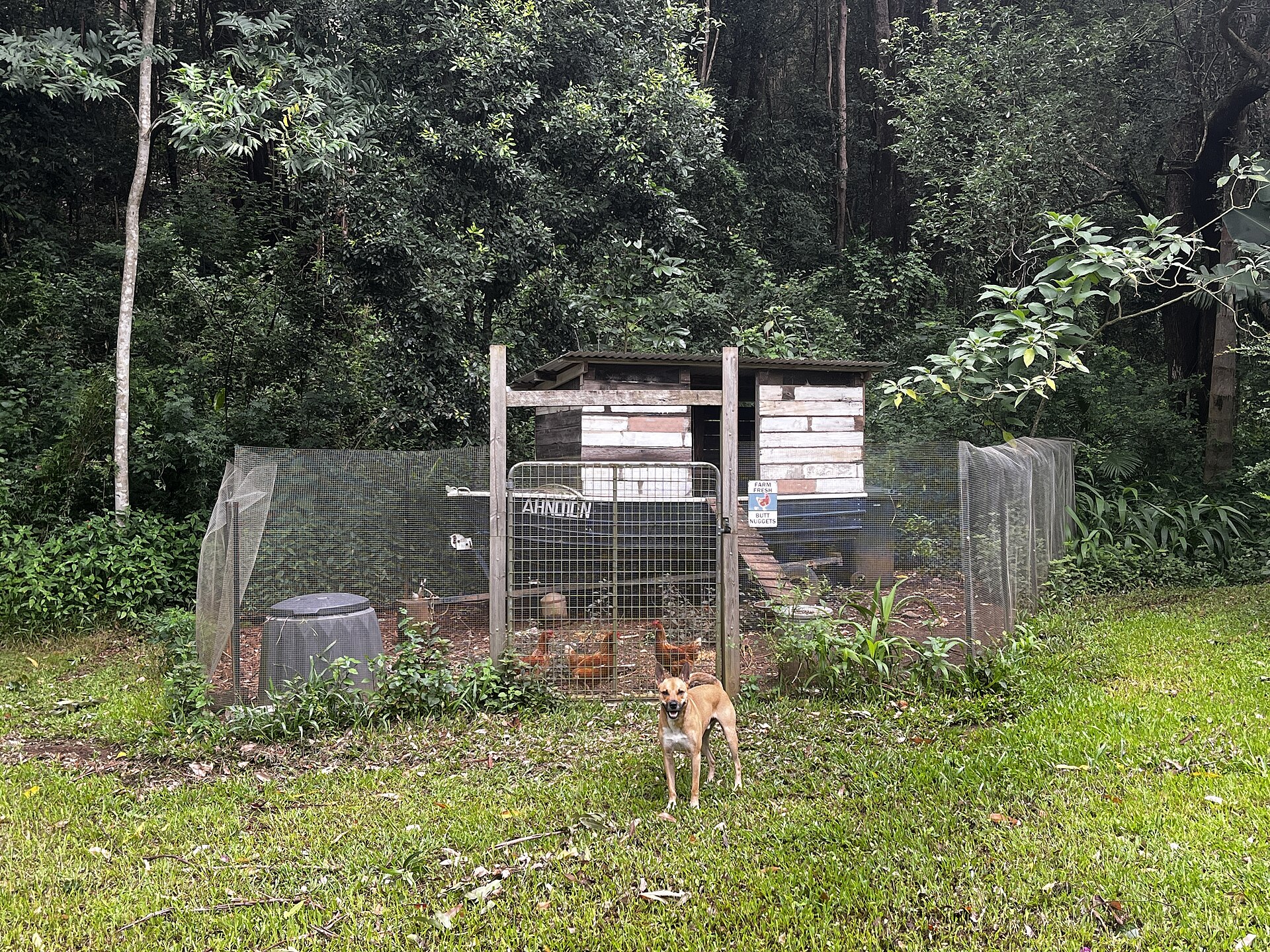
Change only one variable. If you move the sensor, reset the controller, change the sensitivity and turn off the camera all at once, you will not know which action fixed it.
- Record the normal problem time for one evening.
- Leave all door settings unchanged.
- Turn off the suspected heat lamp, IR illuminator or security light before dusk.
- Watch whether the door returns to its expected behavior.
- Repeat the test once more if the result matters for flock security.
If the symptom disappears with the light source off and returns when it is back on, you have a strong causal test.
What if the door claims to detect only natural light?
Some manufacturers design sensors specifically to resist artificial-light interference. RUN-CHICKEN documentation describes its automatic sensor as sensitive to natural light. That does not mean every brand behaves the same way, and it does not eliminate the need to follow the installation instructions for your exact model.
Before changing modes, check the manufacturer documentation. A sensor designed to reject visible porch lighting could still be affected by poor placement, shadow, reflections or another installation issue.
Would timer mode solve it?
Often, yes. A timer does not care whether a heat lamp is on. The tradeoff is that sunrise and sunset change through the year, so a fixed schedule may need seasonal adjustment. Our timer vs light-sensor comparison explains that tradeoff.
What about GPS or app-controlled sunrise/sunset modes?
Some newer systems calculate sunrise and sunset from location rather than relying only on local brightness. That can avoid direct light interference, although it adds different dependencies such as correct location, time zone, app setup or connectivity.
If you are considering a connected door specifically for better control, see our Wi-Fi and app-controlled coop door guide.
Best placement when you use cameras or coop lighting
- Keep the light sensor exposed to representative outdoor daylight.
- Avoid aiming an IR illuminator directly at the sensor.
- Avoid placing a sensor immediately beside a heat lamp or bright interior lamp.
- Check for reflections from white siding, metal roofs or windows.
- Re-test after adding new lighting, cameras, awnings or tarps.
Frequently asked questions
Can an infrared camera keep an automatic coop door open?
It can on some systems if the IR illumination influences the light sensor. Manufacturer guidance from Coop Support specifically identifies IR cameras as a possible source of interference.
Can a heat lamp make a light-sensor door close late?
Yes, if the sensor sees enough light from the lamp to delay its dusk threshold.
Should I cover the light sensor?
Usually no. Covering it can create a new problem by making mornings too dark or causing inconsistent behavior. Reposition the sensor or light source, or use the model’s adjustment controls.
Sources checked
We checked current Coop Support guidance on IR cameras and heat lamps, Poultry Butler light-sensor troubleshooting, RUN-CHICKEN sensor documentation and manufacturer guidance on light-controlled operation.