Home / Automatic Doors / ChickenGuard Batteries Dying Fast in Winter? What Changes Below 5°C
ChickenGuard Batteries Dying Fast in Winter? What Changes Below 5°C
Cold weather can shorten ChickenGuard battery life even when the opener is otherwise healthy. The colder it gets, the more important battery chemistry, voltage and mechanical resistance become.
Quick answer
ChickenGuard says alkaline batteries can run down much faster in cold weather. During consistently cold conditions below about 5°C / 41°F, its current guidance allows non-rechargeable AA lithium batteries, but says they must be removed when temperatures warm again.
Why winter reduces battery life
Cold temperatures reduce the usable output of alkaline cells. At the same time, ice, swollen timber and stiff runners can force the motor to work harder.
1. Check voltage, not just battery age
A fresh set should be close to 6V. Low voltage under load can show up as slow movement or a motor power error before the screen goes completely dead.
2. Remove mechanical drag
Clean the rails, clear ice and make sure the door slides freely. Every unnecessary retry consumes additional energy.

3. Follow the manufacturer’s cold-weather chemistry guidance
ChickenGuard’s 2026 winter guidance allows non-rechargeable AA lithium batteries when temperatures are consistently below 5°C / 41°F. It also warns to switch back to alkaline when weather warms.
4. Do not use rechargeable AAs in standard units
Standard rechargeable cells may not provide the voltage profile ChickenGuard expects. Solar All-in-One systems are a separate case with their own battery setup.
5. Clear persistent error messages
An error left on screen and repeated failed motor attempts can drain batteries faster than normal.
6. Recalibrate after replacing batteries
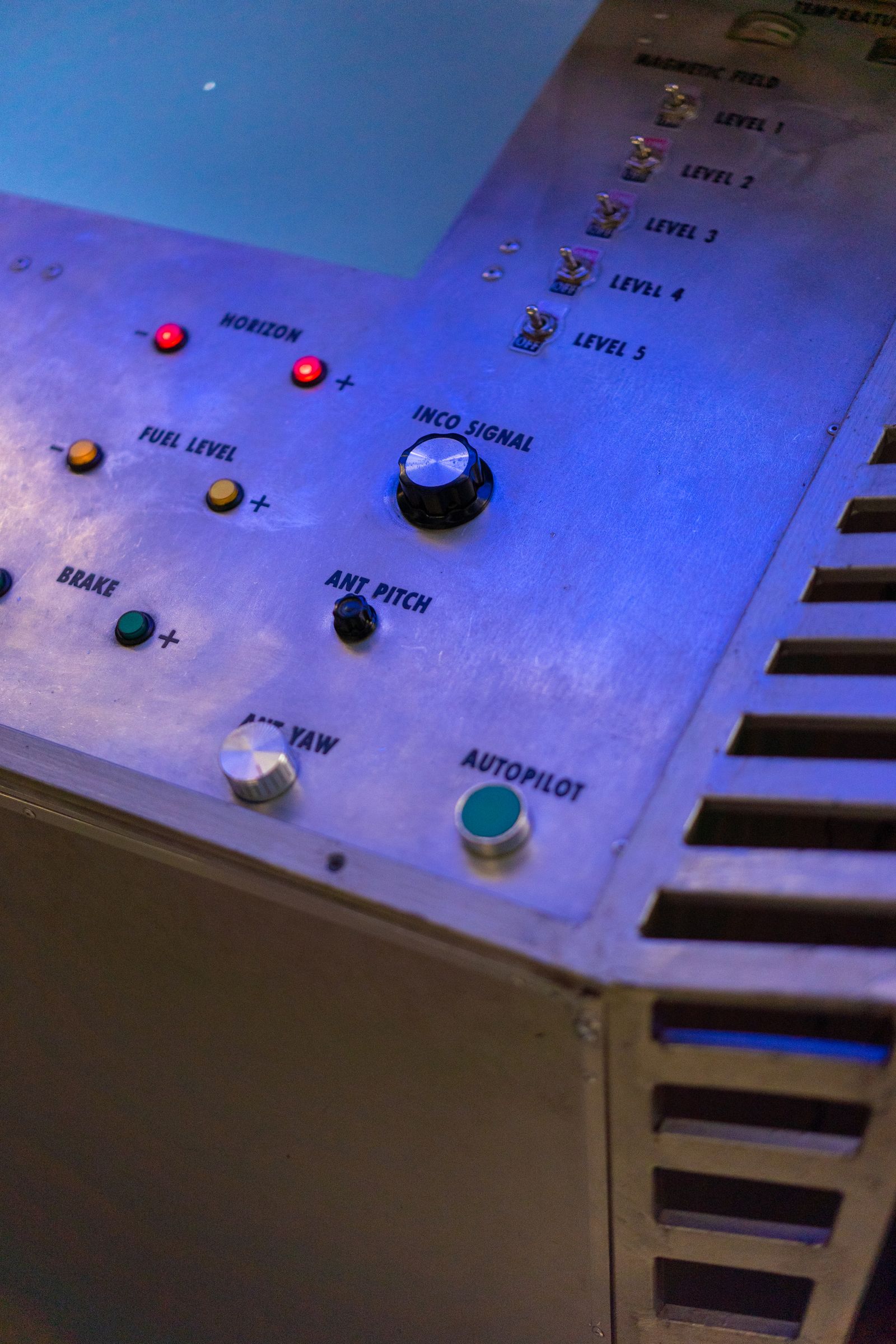
ChickenGuard recommends a fresh calibration after a battery change so the opener can operate normally without unnecessary partial movements.
Frequently asked questions
How long should ChickenGuard batteries last?
ChickenGuard states roughly 6 to 9 months in typical conditions, with winter sometimes reducing that to about 3 to 6 months.
Can I leave lithium AAs in all year?
Follow ChickenGuard’s current warning and switch back when temperatures rise.
Sources checked
We checked ChickenGuard’s current short-battery-life and winter-battery guidance.
Related automatic-door guides
- Low battery warning after replacement
- General battery drain guide
- Door freezing shut
- Automatic Doors hub
All-in-One owners with cold-morning opening failures should see ChickenGuard All-in-One not opening in winter.
ChickenGuard help hub: See all ChickenGuard troubleshooting guides or browse automatic door error codes by brand.